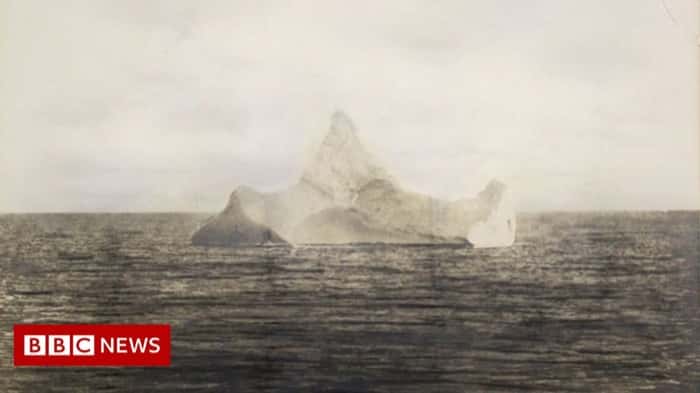
On April 14, 1912, just four days into its maiden voyage from Southampton bound for New York City, the RMS Titanic collided with an iceberg in the North Atlantic. The massive chunk of ice that doomed the vessel was estimated to be 1.5m tonnes in weight, stretching 400 feet in length and towering 100 feet above the waterline. What many had considered an unsinkable ship broke apart into two sections, both of which descended into the frigid waters of the Atlantic Ocean in the early hours of April 15.
The human toll was staggering — 1,517 of the 2,223 passengers and crew aboard lost their lives. Among the victims were 53 of the 109 children who had been traveling on the Titanic. Fortunately, the nearby Carpathia picked up distress signals from the stricken liner and rushed to the scene, ultimately rescuing 705 survivors.
News of the disaster reverberated around the world. Despite more than a century of investigation into the loss of what was then the largest passenger ship ever constructed, the precise chain of events remains unclear. Some accounts point to the ship's Captain, E.J Smith, who is said to have been driving the Titanic at high speed through darkness on that fateful day. Others lay responsibility at the feet of Chief Radio Operator Jack Phillips, who allegedly failed to relay an iceberg warning to the Titanic's bridge. More recent research has even suggested that a prolonged fire before the ship's departure weakened the hull's structural integrity, leaving it vulnerable to any significant impact.
Deepening the mystery further, British historian Tim Maltin conducted a study showing that atmospheric conditions on the night of the tragedy produced an optical illusion, generating mirages across the dark ocean surface. These mirages are believed to have prevented the Titanic's lookouts from detecting the deadly iceberg soon enough. That same phenomenon also reportedly kept the SS California, stationed only 20 miles away, from recognizing the Titanic's peril and coming to its rescue.
To this day, the loss of the Titanic stands as one of the most devastating disasters in world history.