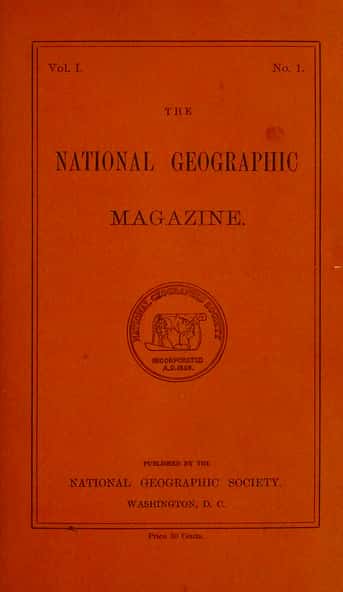
On January 13, 1888, an impressive assembly of scientists, explorers, and scholars gathered in Washington, D.C., to bring the National Geographic Society into existence. The driving force behind this new organization? A shared commitment to "the increase and diffusion of geographic knowledge."
Key Milestones to Remember
- Founding Meeting: January 13, 1888, saw the first gathering that set everything in motion. Just two weeks later, on January 27, the Society received its official incorporation.
- National Park Service: The Society was instrumental in helping create the U.S. National Park Service, championing efforts to protect and preserve the country's natural landscapes.
- Exploration and Mapping: When it comes to venturing into uncharted territories and putting them on the map, National Geographic has been a driving force — opening the public's eyes to regions that were previously unknown.
- Archaeological Discoveries: Countless expeditions backed by National Geographic funding have yielded remarkable archaeological treasures, from sunken ships to ancient ruins and more.
- Conservation Efforts: Between its publications and wide-ranging initiatives, the Society has been a powerful voice for environmental conservation, shaping both public opinion and policy decisions.
What truly brought the world into people's living rooms, though, were National Geographic's publications — celebrated for their breathtaking photography and richly detailed articles. Chances are, you've had a copy sitting on your coffee table at one time or another. And if not there, then surely you've thumbed through one while waiting at the doctor's office! By highlighting diverse cultures, extraordinary wildlife, and striking natural phenomena, these publications have deepened our collective understanding and appreciation of the planet we call home.
Modern-Day Relevance
The National Geographic Society remains a vital force in the realms of exploration, education, and conservation to this day. Through grants and dedicated programs, they equip researchers and storytellers with the resources needed to document and safeguard the world's natural and cultural heritage.
Fun Fact: That instantly recognizable yellow border gracing the cover of National Geographic magazine first appeared in 1910 and has since evolved into a globally known emblem of exploration and discovery.