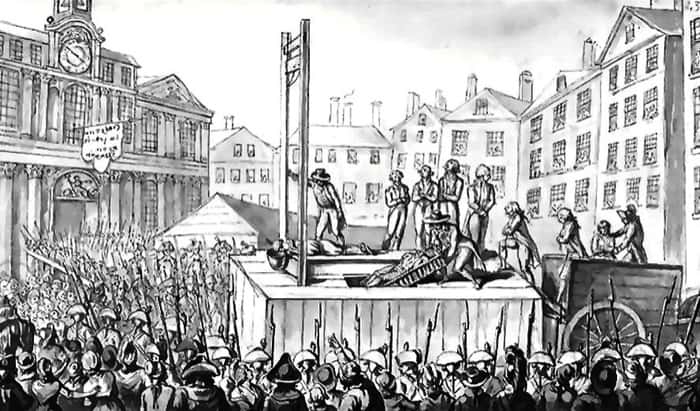
The guillotine's blade fell on July 28, 1794, bringing to a close one of the most harrowing episodes in French history. On that day in Paris, Maximilien Robespierre — along with his supporters — met his end by execution. A central figure of the French Revolution, Robespierre had become the very embodiment of the merciless era called the Reign of Terror.
Spanning from 1793 to 1794, the Reign of Terror was defined by extreme violence and widespread suspicion, during which thousands lost their lives for allegedly opposing the Revolution. The bloodshed intensified dramatically after the National Convention enacted the Law of 22 Prairial on June 10, 1794, a measure that eliminated public trials and stripped the accused of any right to legal assistance. In June 1794 alone, roughly 1,400 people were sent to the guillotine.
Nothing could deter Robespierre from his zealous commitment to revolutionary ideals — not even the staggering cost in human lives. At the helm of the Committee of Public Safety, he commanded extraordinary authority and oversaw a campaign of mass executions across the nation.
Yet as his power grew, so did his fear and suspicion of those around him. His escalating radicalism and unrelenting waves of purges drove a wedge between him and former allies in the National Convention, the body that served as the revolutionary government. Terrified that they might become his next targets, members of the Convention began conspiring to bring about his fall.
On July 27, 1794, Robespierre made a desperate bid to shore up support within the Convention. It proved disastrous — he was placed under arrest alongside his followers. He tried to take his own life but was unsuccessful.
Just one day later, on July 28th, Robespierre and 21 of his associates were rapidly condemned and put to death, denied any semblance of a trial. With their executions, the Reign of Terror officially came to its end.