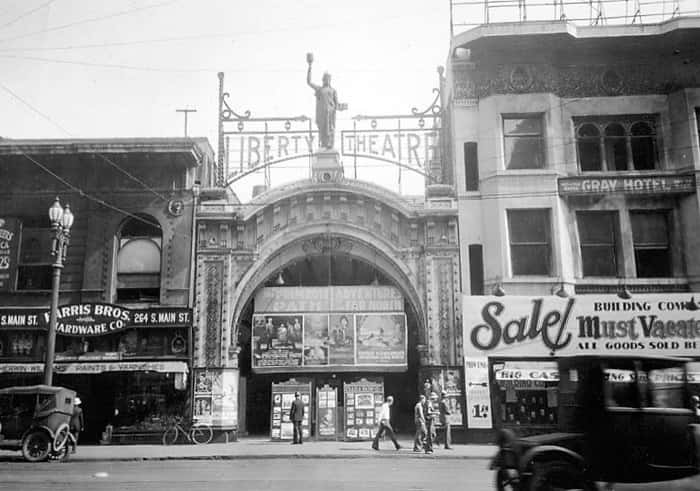
The story of Hollywood as we know it traces back to April 2, 1902, when Thomas Lincoln Tally launched the Electric Theater in California — a venture that would fundamentally transform how audiences experienced film.
Before this groundbreaking moment, films were little more than brief segments woven into vaudeville performances, typically running just a few minutes each. But when the vaudeville strike of 1901 threw the entertainment world into turmoil, theater owners scrambled to find a replacement attraction. Tally had a hunch that audiences would be willing to pay simply to watch movies on their own, so he began operating his theater for three hours each evening, dedicated entirely to film screenings.
It turned out that Tally had dramatically underestimated the public's hunger for this new form of entertainment. Every single evening performance sold out. The overwhelming demand forced him to add daytime showings — which promptly sold out as well. Other theater owners quickly caught on and began replicating his model, with movie houses popping up across the landscape. Naturally, this explosion of venues created a surging need for content, giving rise to production companies that crafted longer and more elaborate films. It wasn't long before Hollywood as an industry was born.
Throughout the moving pictures revolution, Tally remained a pioneering figure. In 1912, he became the first to screen a color film. He went on to co-found First National Pictures and even succeeded in signing Charlie Chaplin as a studio actor early in his career. Those of us who enjoy movies today owe an enormous debt of gratitude to this trailblazer.