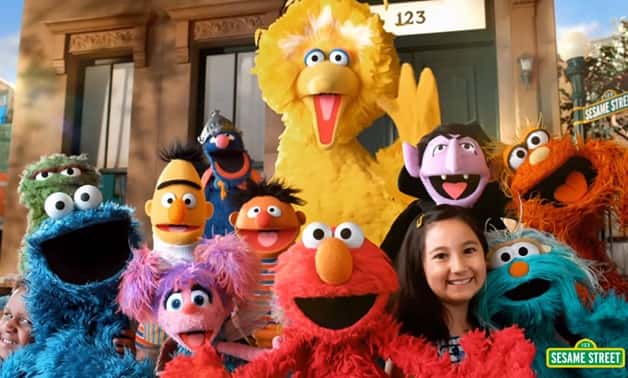
What made Monday, November 10, 1969, so special? It was the day Sesame Street made its debut on PBS TV, and the children who would soon be glued to their screens couldn't have been more thrilled. Slated to air on the public broadcasting service, the show broke entirely new ground — it was deliberately designed around the principles of contemporary child psychology of the era. Joan Ganz Cooney (producer) and child psychologist Lloyd Morrisett, the creative forces behind the program, had one clear mission: capture the attention of young viewers and keep them coming back for more.
Sesame Street
At its core, Sesame Street set out to address real, everyday topics through an educational lens. Look a little closer, and you'll realize something clever was at work — the creators deliberately harnessed television's addictive nature as a tool to teach children. Through a vibrant mix of muppets, cultural references, humor and animation, the show left a genuinely positive mark on its young audience.
When Sesame Street first hit the airwaves on PBS TV that Monday, November 10, 1969, it became the first children's show ever built around educational curriculums that directly shaped its content. Aimed squarely at young preschool children, the program's innovative approach made it an instant sensation. Parents eagerly encouraged their kids to tune in regularly, seeing it as a way to broaden their understanding of the world around them. The show's legacy speaks for itself — an astonishing 118 Emmy Awards and eight grammy awards, a record unmatched by any other kid's show to this day.
On My Way to Where the Air is Sweet
For parents of preschool children, the arrival of Sesame Street must have come as a welcome relief — finally, here was a program making a genuinely positive difference in their kids' lives. Just a few years after its premiere, the numbers told a remarkable story: 95% of American preschoolers confirmed watching the show regularly.