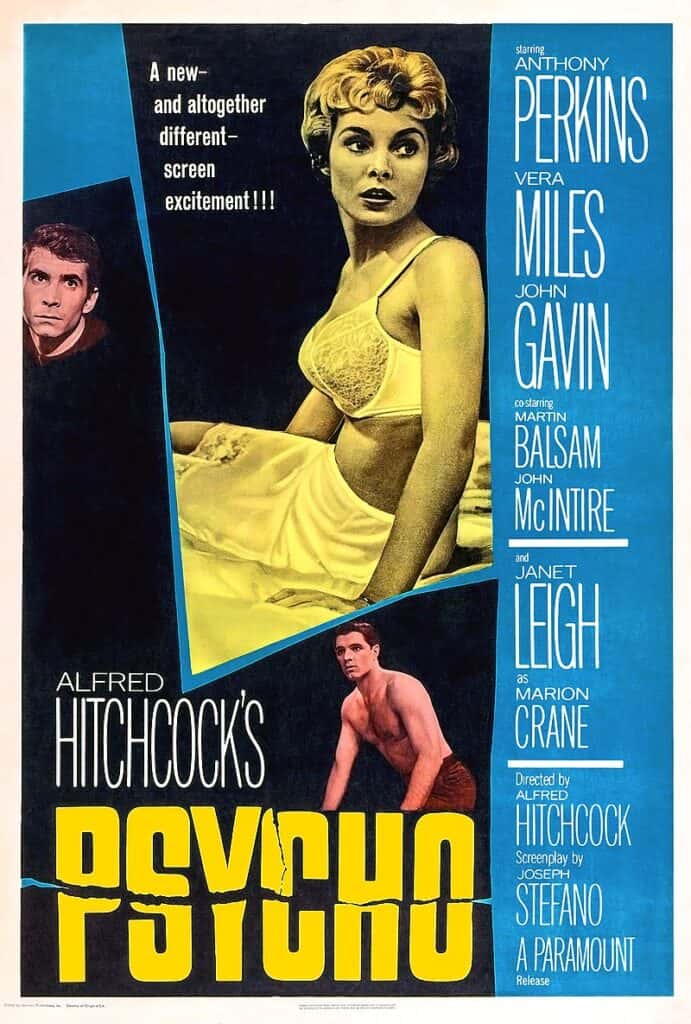
On September 8, 1960, audiences were introduced to a film that would forever reshape the landscape of cinema: Alfred Hitchcock's "Psycho." Anchored by riveting performances from Anthony Perkins and Janet Leigh, this psychological thriller didn't just entertain — it rewrote the rules of suspense and horror, leaving an indelible mark on moviegoers and filmmakers alike.
Fun Facts:
- When "Psycho" arrived in theaters on September 8, 1960, the film industry was in the midst of a dramatic shift. Filmmakers were growing bolder, experimenting with unconventional storytelling methods and challenging the limits of what audiences and censors would accept on screen. It was into this climate of creative upheaval that "Psycho" landed, quickly establishing itself as a defining work of this cinematic revolution.
- At the helm was Alfred Hitchcock, a director who had earned the legendary title "Master of Suspense" thanks to his unparalleled talent for weaving tension and intrigue into every frame of his work.
- The story centers on Marion Crane, brought to life by Janet Leigh, a woman who steals a sum of money and flees, only to check into the fateful Bates Motel. There, she crosses paths with the enigmatic Norman Bates, played by Anthony Perkins. What unfolds is a series of jaw-dropping plot twists, none more memorable than the now-legendary shower scene.
- That shower sequence — in which Janet Leigh's character meets her brutal end — has secured its place as one of cinema's most recognizable moments. Through a brilliant combination of rapid editing, Bernard Herrmann's piercing violin score, and carefully implied rather than explicit violence, the scene fundamentally changed how suspense and horror could be conveyed on film.
- When "Psycho" first hit screens, critical opinion was divided. Some reviewers were genuinely rattled by its audacious content. Yet that very boldness became part of its magnetic appeal. Word spread quickly, and audiences flocked to experience Hitchcock's daring vision for themselves. This swift surge in popularity cemented the film's reputation as an undeniable masterwork of horror and suspense.
- Whatever controversy surrounded it, "Psycho" proved to be a massive commercial triumph, pulling in over $50 million at the box office. For its era, that figure was extraordinary — a clear testament to the film's broad appeal and its status as a genuinely groundbreaking cinematic achievement among both general audiences and industry professionals.
- Many consider "Psycho" the spark that ignited widespread interest in both the psychological thriller and slasher genres. Its fingerprints can be found on countless subsequent films and the careers of numerous filmmakers, elevating it beyond mere entertainment into a foundational text in film studies and a powerful example of what creative risk-taking can achieve.
- Though "Psycho" garnered only four Academy Award nominations, its cultural footprint dwarfs that of many contemporaries. Anthony Perkins' unforgettable embodiment of Norman Bates has achieved truly iconic status, and the film continues to occupy a cherished place among cinephiles and scholars — enduring proof of its profound and lasting influence on the art of cinema.
