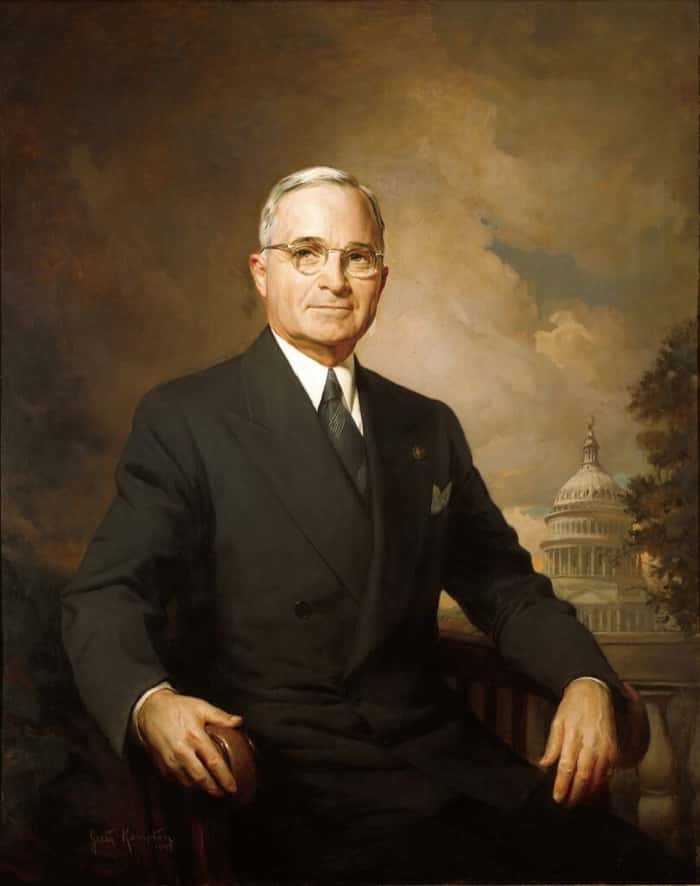
On September 4, 1951, a technological marvel captivated the nation when President Harry S. Truman spoke from San Francisco in a broadcast beamed live to viewers spanning the entire United States. For the first time ever, television linked both coasts simultaneously, and the moment represented a dramatic leap forward for mass communication.
A Historic Speech
The occasion for the address was the opening of the Japanese Peace Treaty Conference, taking place at San Francisco's Opera House. What would come to be called the Treaty of San Francisco brought a formal end to the United States' post-war occupation of Japan. In his remarks to a nationwide audience, Truman expressed his hope that the agreement would help build a world where "the children of all nations can live together in peace."
But the significance of the event extended well beyond diplomacy—it was a landmark in technology. For the first time, viewers in cities as far apart as New York and Los Angeles shared the same live television experience together. Approximately 30 million people watched, a figure that shattered all previous records for a television audience.
The Technology Behind the Broadcast
What made this historic coast-to-coast transmission possible was a newly built microwave radio-relay system developed by AT&T. This sprawling network linked 87 stations across 47 cities, with signals bouncing from one tower to the next, carrying both images and sound across thousands of miles in near-real time.
The triumph of this broadcast demonstrated that television had evolved beyond a regional curiosity into a genuinely national medium. It opened the door to an era when live events—from political addresses to breaking news to shared cultural moments—could reach every corner of the country simultaneously.