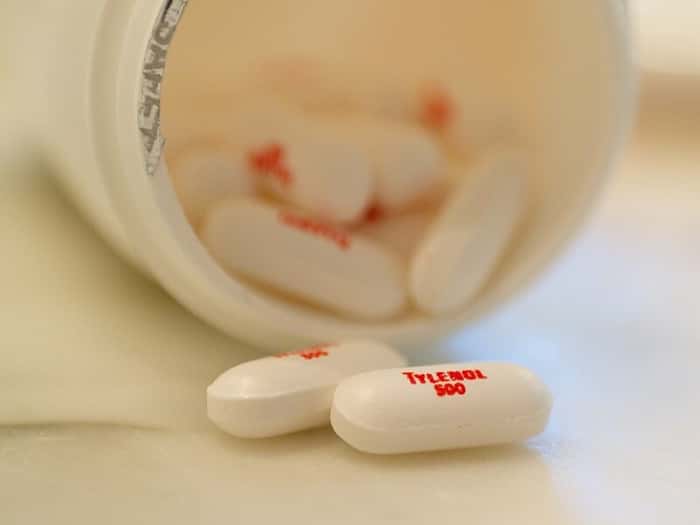
On September 29, 1982, something unthinkable happened in the Chicago area—a handful of ordinary Tylenol Extra-Strength capsules turned into instruments of death, triggering one of the most haunting unsolved cases in American criminal history. Before the day was through, multiple people in the region had lost their lives, and a wave of fear would soon grip the entire nation as Americans eyed the contents of their own medicine cabinets with suspicion.
The First Victim
Twelve-year-old Mary Kellerman, living in Elk Grove Village, woke up that morning with a sore throat. Her parents did what any parent would do—they gave her a Tylenol capsule. Hours later, she was dead. No one could immediately explain why, but the terrible answer would soon begin to emerge as other mysterious deaths came to light.
Over in Arlington Heights, 27-year-old Adam Janus suddenly collapsed and died in what was initially attributed to a heart attack. As his devastated family came together to grieve, Adam's brother Stanley and his sister-in-law Theresa each reached for Tylenol from that same bottle. Both collapsed shortly after. Stanley died that very day; Theresa passed two days later. When the week drew to a close, the death toll had reached seven. Among the victims were also Mary McFarland, Paula Prince, and Mary Reiner—all killed by Tylenol capsules that had been laced with potassium cyanide.
A City in Panic
It didn't take long for the dots to connect. A nurse named Helen Jensen spotted Tylenol bottles in the Janus household and flagged it to authorities. When the capsules were tested, they were found to contain enough cyanide to kill multiple people. Investigators quickly determined that the tampering hadn't taken place at the factory. Instead, someone had methodically removed Tylenol bottles from store shelves, contaminated the capsules with poison, and slipped them back into stores where unsuspecting customers would purchase them.
Panic swept through Chicago. Drugstores and supermarkets yanked Tylenol off their shelves almost overnight. Even customs officials began asking travelers entering the United States whether they were carrying Tylenol. Across the region, families dumped the contents of their medicine cabinets straight into the garbage.
Johnson & Johnson's Response
Johnson & Johnson, the company behind Tylenol, found itself facing an unprecedented crisis. Tylenol had commanded over a third of the pain-reliever market before the poisonings—but within days, that share plummeted to under 10%. The company's response, however, was decisive and aggressive. They recalled 31 million bottles, shut down production, and broadcast warnings across the country. They provided replacement products and offered a reward for any information about the case. By November, Tylenol was back on shelves—this time in revolutionary triple-sealed, tamper-resistant packaging that was a first for the entire industry.
That quick, open approach didn't just rescue the brand—it became the benchmark for corporate crisis management. Remarkably, within a year, Tylenol had clawed its way back to market dominance.
An Unsolved Crime
Decades of investigation have failed to identify the killer. James Lewis drew attention after mailing a ransom letter to Johnson & Johnson demanding $1 million. He was ultimately convicted of extortion, but investigators never conclusively linked him to the actual murders. Other individuals came under scrutiny as well, including Roger Arnold, yet no one was ever charged with the poisonings themselves.
A Lasting Legacy
The ripple effects of the Tylenol murders reshaped everyday life in ways both profound and enduring. Those tamper-evident seals we barely think about today—found on medicine bottles, food containers, and beverage packaging—can be traced directly back to that terrible autumn of 1982. And in 1983, Congress enacted the "Tylenol Bill," which made product tampering a federal crime.