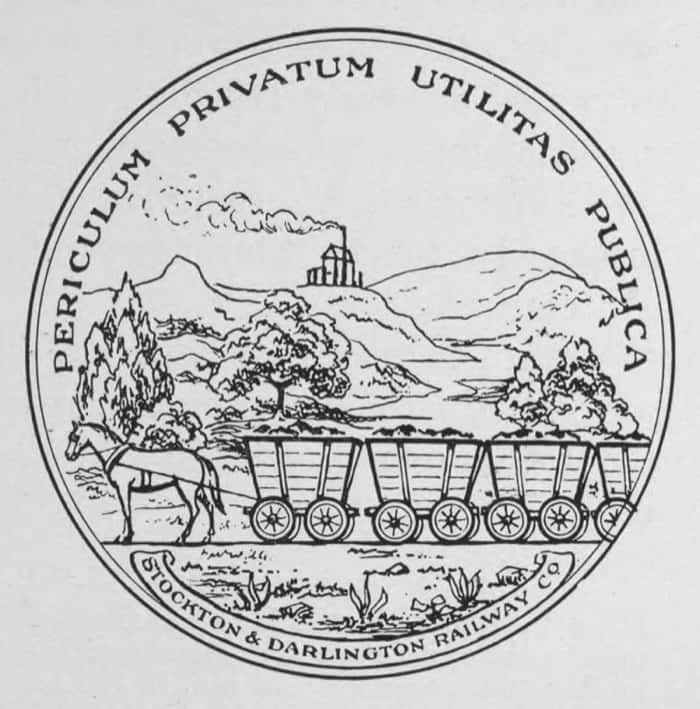
On September 27, 1825, something unprecedented unfolded in northeastern England. A noisy, smoke-spewing engine thundered into motion along the freshly laid Stockton and Darlington Railway, and the world would never travel the same way again. George Stephenson's Locomotion No. 1 embarked on its first public journey, hauling both freight and fare-paying passengers. For the first time ever, ordinary people rode together aboard a steam-powered train. The modern railway age had officially begun.
A World First on Iron Rails
- The locomotive was initially named Active before being renamed Locomotion No. 1.
- George Stephenson and his son Robert built it at Robert Stephenson and Company.
- On September 27, it carried more than 400 passengers over an 8.7-mile route.
- The top speed? A blistering 15 miles per hour—twice the speed of a horse-drawn coach.
This was no mere stunt or curiosity for onlookers. It functioned as a genuine, operational transport line from the start. Some passengers rode in a coach named Experiment, while others piled into open wagons. Coal occupied the remaining cars. For the first time, commerce and personal travel shared the same track. George Stephenson took the controls himself, guiding the train as crowds gathered along the route. Reactions varied wildly—wonder, fear, jubilant cheering—but nobody could look away.
Built to Move the World
By modern standards, the locomotive's design was anything but glamorous. Two vertical cylinders drove its iron wheels, and it burned coke rather than coal, with the boiler generating steam at 50 psi. Yet Stephenson's brilliance was rooted in practicality over aesthetics. One particularly important innovation stood out: Locomotion No. 1 utilized coupling rods to link its driving wheels, reducing slippage and enhancing reliability. The machine was tough, effective, and utterly groundbreaking.
Not Just About Trains
That single locomotive accomplished far more than transporting people from one place to another—it fundamentally transformed entire economies. Practically overnight, towns and cities found themselves in desperate need of rails, stations, and steel. Goods began moving at unprecedented speeds. People ventured distances previously unimaginable. Time itself shifted; no longer governed solely by sunlight and walking pace, it now answered to the steady beat of timetables.
The railways played a crucial role in driving the Industrial Revolution forward. And it all started right here, with Locomotion No. 1.
The Road After the Rails
Locomotion remained in active service on the Stockton and Darlington line until 1850. A boiler explosion in 1828 claimed the life of its driver, but the engine was rebuilt and returned to work. Eventually retired from duty, it was carefully preserved. Over the years, it has been exhibited around the globe, featured in celebratory parades, and given a permanent home in railway museums.