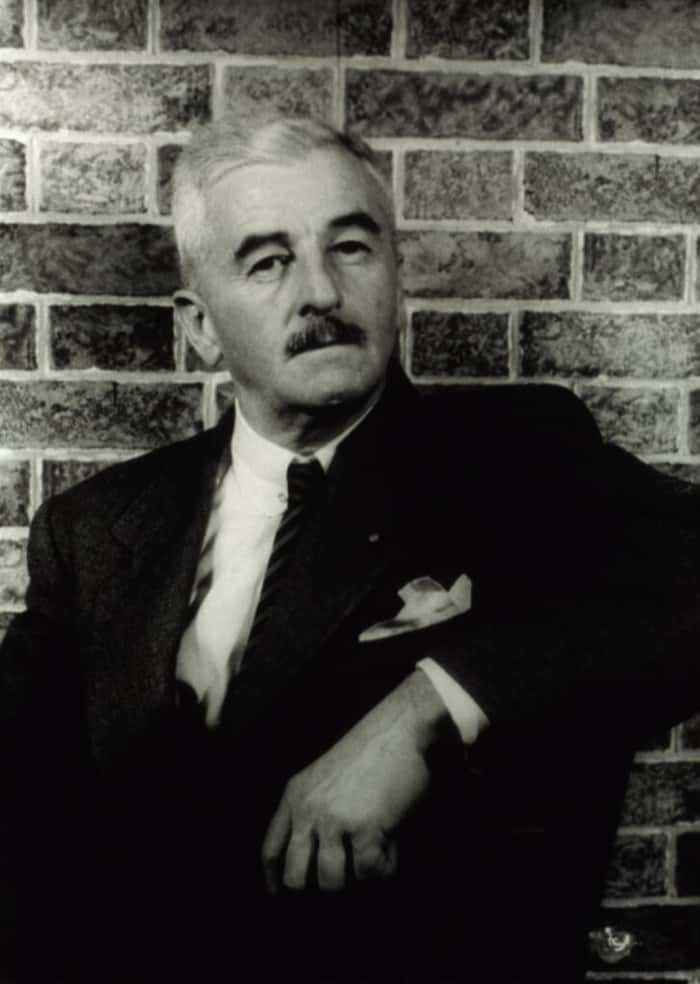
Mississippi gave the world one of its most extraordinary literary voices on this day in history, when William Cuthbert Faulkner was born. A masterful American novelist, Faulkner developed a distinctive approach to storytelling that wove together "stream of consciousness" techniques, rich symbolism, and settings deeply rooted in his Southern American heritage. The impact he made on American literature remains impossible to overstate — his achievement earned him the Nobel Prize in 1949, and readers, scholars, and students continue to engage passionately with his short stories and novels to this day.
The Stuff You Do at Home That's Costing You Big
Fun Facts about Faulkner:
- On September 25, 1897, William Faulkner came into the world in New Albany, Mississippi.
- A towering figure in literature, he captured the Pulitzer Prize for fiction not once but twice — first for A Fable and then for The Reivers.
- The prestigious Nobel Peace Prize in Literature went to William in 1949, placing him among a select group of just 11 Americans to have received this honor.
- Faulkner enlisted in the Royal Canadian Air Force during the First World War. Between his literary gifts, short stature, and low weight, he was likely kept away from active combat.
- Though he enrolled at the University of Mississippi, Faulkner left after only three semesters without earning a degree. His literary ambitions were already bearing fruit, though — his debut novel, Soldier's Pay, was published in 1925.
- Among his other celebrated works are As I Lay Here Dying, Light in August, Absalom, Absalom!, and The Sound and the Fury.
- Faulkner's life came to an end on July 6th, 1962, when he suffered a heart attack in Byhalia, Mississippi. He would be 64 years old.