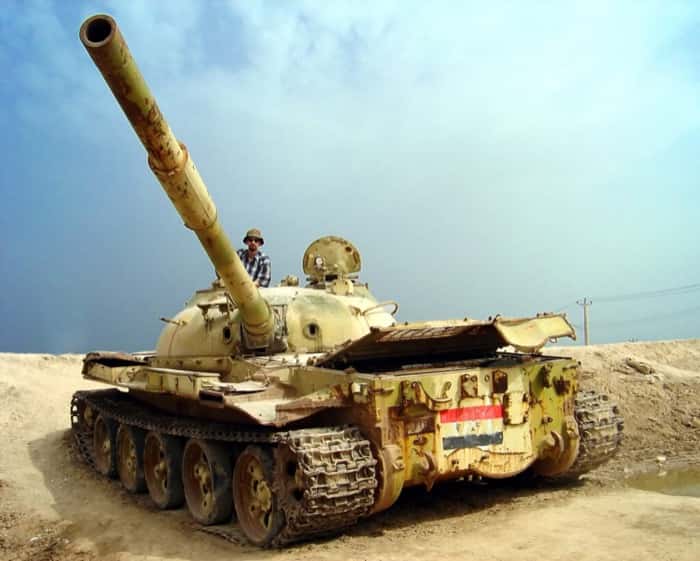
The Iranian Revolution of 1979 — that sweeping upheaval that dismantled the Pahlavi dynasty and ushered in an Islamic republic — threw the country into turmoil. Out went the secular monarchy; in came a fundamentally different, religiously driven government. For neighboring Iraq, the resulting chaos and instability looked like a golden opportunity, and the decision was made to launch an invasion.
The Costly Habits Families Never Seem to Quit
To anyone paying attention, this wasn't exactly a shock. The two nations had a long, bitter history of territorial disputes that had hardened them into traditional enemies. When Iraqi leader Saddam Hussein spotted what he perceived as a moment of weakness, he made the calculated choice to seize Iranian territories he claimed rightfully belonged to Iraq, sending troops across the border into western Iran on September 24, 1980. But territorial ambitions weren't the whole story. Within the Iraqi government, genuine anxiety was brewing that Iran's new theocratic regime might weaponize religion to foment civil unrest inside Iraq. Launching a war was viewed as a preemptive solution to that threat. Still, the single most powerful force behind the conflict was most likely oil.
Oil was the lifeblood of both nations' economies, and that fact shaped everything. Iraq didn't just want to grab Iranian land — it had its eyes squarely on Iran's oil-producing territories. Achieving that goal, though, proved far more difficult than anticipated. The conflict wreaked havoc on both countries financially, inflicting massive economic losses and severely stunting their development.
Iraq had gambled on Iran being weakened and ripe for a quick defeat, but that bet didn't pay off. Instead of a swift victory, the conflict ground on for eight agonizing years. Even the deployment of chemical weapons failed to break the stalemate, as Iran demonstrated remarkable resilience throughout. Neither side ever managed to secure a decisive upper hand. It wasn't until August of 1988 that both war-weary nations finally accepted a cease-fire negotiated by the United Nations.