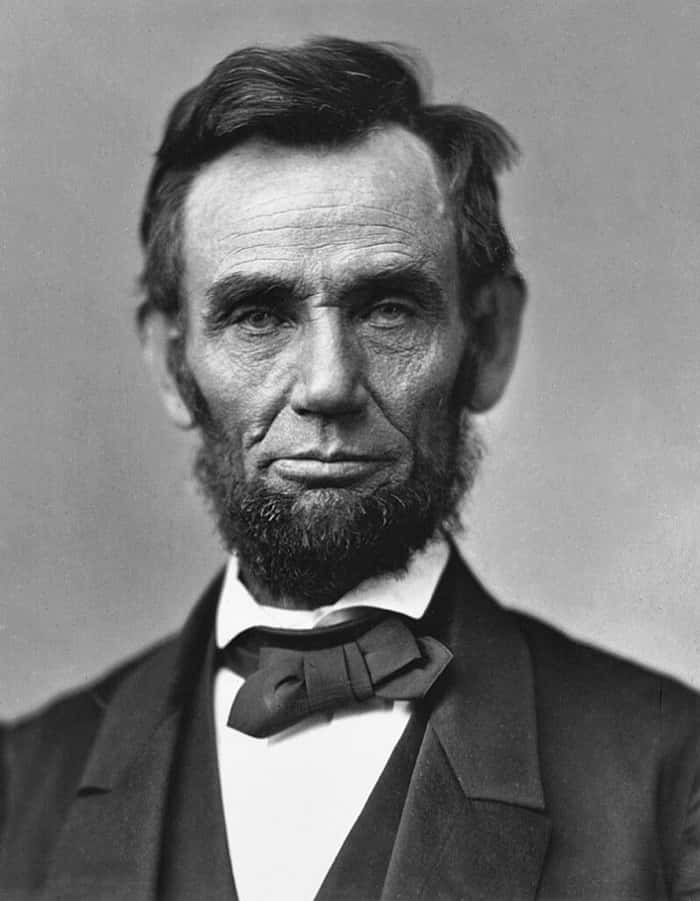
School textbooks across America typically credit Abraham Lincoln with liberating enslaved people through the Emancipation Proclamation that came at the beginning of 1863. What many don't realize is that this was actually the second Emancipation Proclamation. The first — known as the Preliminary Emancipation Proclamation and frequently overshadowed by its successor — was issued on September 22, 1862. Tracing the path between these two documents opens a compelling window into Lincoln's thinking and the broader dynamics of the Northern war effort.
Lincoln's deep personal conviction that slavery was immoral played a major role in shaping how he navigated the conflict. That said, his overriding objective remained holding the American Union together, which meant he approached the question of emancipation with deliberate caution. This careful stance was on full display in his 1861 speech, in which he explicitly declared that the war was not being fought over slavery. His reasoning was tactical: he needed to maintain broad public backing while keeping the slaveholding border states — which remained loyal to the Union — firmly in the fold.
By July of 1862, Lincoln had made up his mind that the moment had arrived to push for emancipation, though he would carve out exemptions for Union states and territories where slavery still existed. His advisors, however, urged him to hold off until the Union Army could deliver a decisive battlefield win, which would help swing public opinion in their favor. That opportunity came in September, when Union forces achieved a major victory at Antietam. Lincoln seized the moment and released the Preliminary Emancipation Proclamation on the 22nd, putting rebellious states and territories on notice that all enslaved people within their borders would be freed in 100 days. When the more widely recognized Emancipation Proclamation arrived in January of the following year, it was essentially the fulfillment of that earlier warning — not a new declaration but a promise kept. Through this carefully staged approach, Lincoln managed to build public momentum behind the anti-slavery cause, showcasing both his strategic patience and his sharp political instincts.