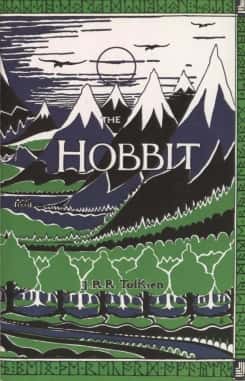
On September 21, 1937, The Hobbit hit bookshelves and left an indelible mark on the fantasy genre. Fantasy fiction had existed since at least the century before, but Tolkien viewed it as a juvenile, non-serious form of writing. That perception started shifting once The Hobbit — and later its sequel series, The Lord of the Rings — made their way into the world.
Central to this shift was Tolkien's revolutionary approach to world-building. Middle Earth brims with diverse nations, each possessing its own distinct history, culture, and language — all painstakingly developed before Tolkien ever put pen to paper. The result is a world of intricate design that feels remarkably authentic, even as it defies its own fantastical nature. This level of meticulous craftsmanship was virtually unheard of at the time and set a new standard for the genre.
Equally important was how Tolkien upended the fantasy conventions of his era. On its surface, The Hobbit follows an epic quest to reclaim a treasure from a dragon — classic fantasy fare. Yet its main character is no warrior. He doesn't slay the dragon, and his influence on the broader events of the plot is minimal. In truth, he's the polar opposite of the archetypal fantasy hero: a peaceful, food-loving man who has never so much as held a weapon and would rather curl up by his fireplace than go on an adventure. Through this unlikely protagonist, Tolkien demonstrated that the genre was full of exciting, unexplored possibilities. Beyond all of that, the book was simply a delight — packed with compelling characters, vivid settings, and a story that was genuinely fun to read. Readers loved it so deeply that fantasy authors spent decades afterward attempting to replicate Tolkien's approach. It's no exaggeration to say that the history of fantasy fiction splits neatly into two eras: before The Hobbit and after it.