Lessons From the Great Depression
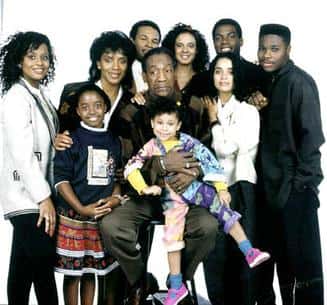
September 20, 1984, marked the television debut of what would become one of the most dominant ratings powerhouses ever to hit the small screen: The Cosby Show. Built around the comedic sensibilities of Bill Cosby—who at that point enjoyed a sterling reputation as a wholesome, widely admired comedian—the series followed Dr. Heathcliff Huxtable, his wife Clair, and their five children as they navigated everyday life. What made the show click with audiences was its dedication to the ordinary yet universally familiar struggles of a middle-class family, from convincing kids to eat their vegetables to weathering the headaches of dating.
The pilot episode broke away from the sitcom formulas that dominated the era. At its center was a storyline in which Cliff and Clair confronted their son Theo over his poor grades and his intention to forgo college altogether. In a moment that would set the tone for the entire series, Theo appeals to his parents, insisting they should love him regardless of his choices—only for Cliff to fire back, 'That is the dumbest thing I have ever heard.' That exchange captured something fresh: a blend of irreverence and sarcasm wrapped in a portrayal of family life that felt far more grounded and authentic than what other shows were offering at the time.
Surprising Money Mistakes Families Still Make
Audiences embraced The Cosby Show's style wholeheartedly, sending it to the number one spot in the ratings for an unprecedented five years. Across eight seasons and a total of 201 episodes, no other program could rival its popularity. Even after production wrapped, the series went on to generate more than one and a half billion dollars in syndication revenue. Few shows in the history of television have come close to matching the kind of impact and success that The Cosby Show achieved.