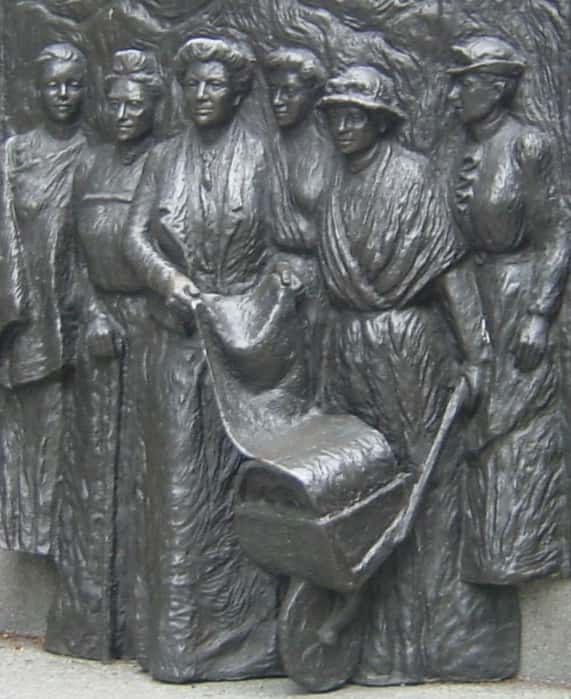
When New Zealand's Governor Lord Glasgow put his signature on the Electoral Act of 1893 on September 19, 1893, the world witnessed something unprecedented. No self-governing country had ever extended voting rights to women on such a comprehensive scale. Although women in a handful of places had previously been permitted to cast ballots under narrow, restricted conditions, New Zealand's sweeping legislation applied to every woman in the country — a trailblazing move that sent ripples across the globe and established a powerful benchmark for nations everywhere.
Far more than a simple fight for the ballot box, the suffrage movement that took shape in New Zealand during the late 19th century was driven by a deep conviction that women's involvement in elections would elevate social morality. At the heart of this campaign stood the Women's Christian Temperance Union (WCTU), which repeatedly brought petitions before Parliament to make its case. The movement's growing influence on public awareness reached a dramatic peak in 1893, when activists gathered almost 32,000 signatures — a staggering demonstration of collective will and determination.
Support within the House of Representatives for women's suffrage built gradually over time. Multiple bills were introduced, yet each attempt ran into opposition from the Legislative Council, whose members held appointed rather than elected positions. Complicating matters further, the liquor industry actively lobbied against these measures, fearing the consequences that an expanded female electorate might bring upon its business interests. It wasn't until 1893 that a bill finally squeaked through the Legislative Council by a slim margin, delivering a hard-fought triumph for the suffragists.
What New Zealand accomplished quickly became a source of inspiration for women's rights advocates around the world. Remarkably, just 10 weeks after securing the vote, 90,000 women turned out to participate in the 1893 election. That same year, Elizabeth Yates made history of her own by becoming the first woman anywhere in the British Empire to win election as mayor. Though women would have to wait until 1919 before they could stand as candidates for Parliament, the shockwaves from New Zealand's suffrage victory reverberated far beyond its shores, galvanizing activists fighting for women's rights in countries across the globe.