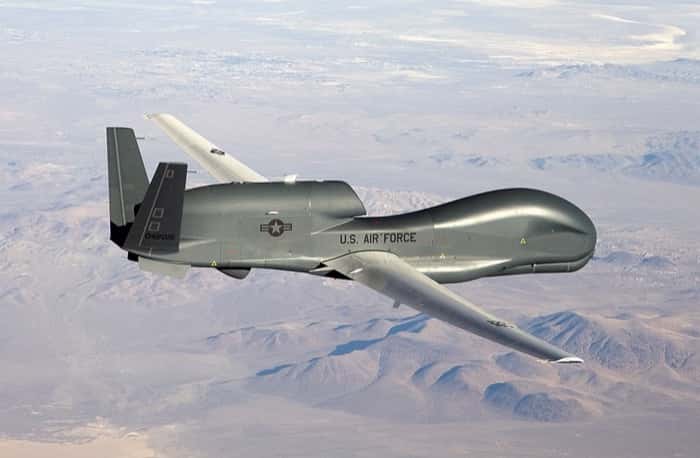
On September 18, 1947, a new chapter in American military history was written: the US Air Force officially came into existence as a standalone branch of the Armed Forces. What drove this momentous shift? The answer lies in how dramatically air power reshaped the battlefield during World War II. While aircraft had served largely in a supporting capacity during World War I, the Second World War told a very different story—strategic bombings, massive airlifts, and dominance of the skies all proved decisive in securing victory. It became clear that this evolving form of warfare demanded its own dedicated military branch.
The groundwork was laid weeks earlier when President Harry Truman put his signature on the National Security Act of 1947 on July 26, 1947. This landmark legislation granted the Air Force standing equal to that of the Army and Navy, complete with its own budget and organizational framework. Beyond creating a new military branch, the act brought into being the National Military Establishment—an entity that would eventually be renamed the Department of Defense. Taken together, these changes represented a sweeping reorganization that fundamentally reshaped the security and military apparatus of the United States.
Though 1947 marked its official birth as an independent service, the Air Force traces its origins much further back—all the way to 1907, when the Aeronautical Division of the US Army Signal Corps was established. In those early days, the division's focus was on military balloons, but things changed quickly when it acquired its first flying machine from the Wright Brothers in 1909. From that humble beginning, advancing technology steadily transformed the Aeronautical Division, guiding it along the path that would ultimately lead to the fully independent Air Force we recognize today.