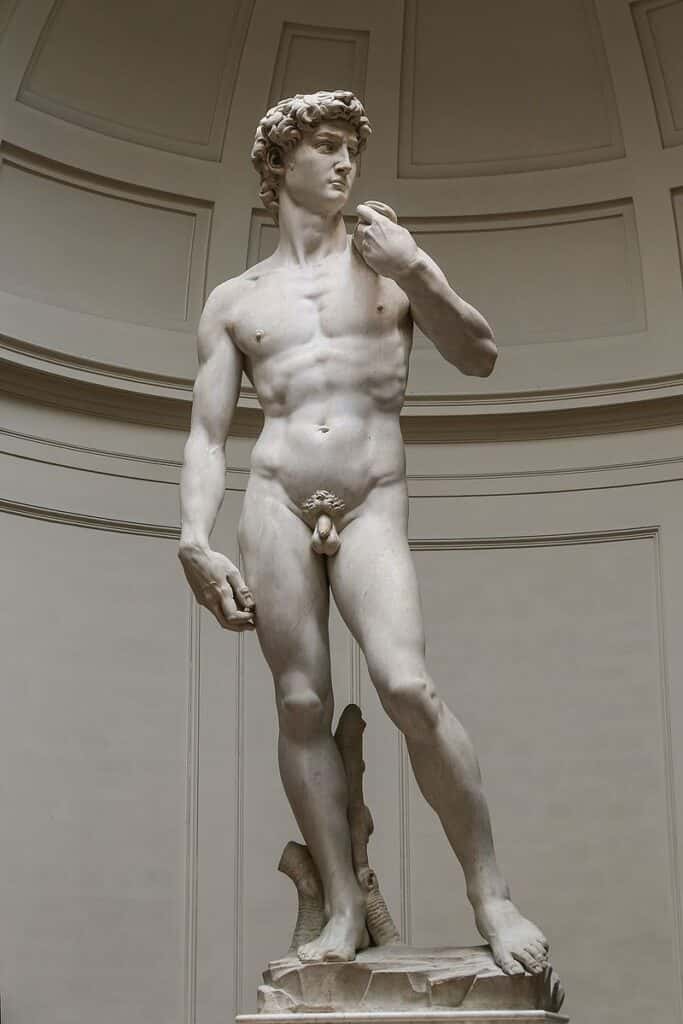
It was September 14, 1501, when Michelangelo, the legendary Italian artist, set chisel to stone and began what would become one of the Western world's most celebrated works of art — the statue of David. He carved this towering 17-foot-tall figure from a slab of Carrara marble, a material prized for its purity and whiteness, and the effort consumed more than two years of his life. The finished sculpture, a monumental rendering of the hero from the Biblical tale of David and Goliath crafted from such a prestigious stone, stands today as one of the most iconic art pieces ever created.
The commission came from the Opera del Duomo, the organization tasked with maintaining and constructing the Florence Cathedral. Their ambitious vision called for 12 statues of Old Testament prophets to line the Cathedral's roof. Back in 1410, Donatella had already delivered a terracotta statue of Joshua for the project. Before Michelangelo ever touched the marble, two other artists had been hired to sculpt David — but both walked away from the undertaking before making any real progress.
With unwavering dedication, Michelangelo put his name to the contract on August 16, 1501, and dove into the work on September 14. He held a remarkable conviction that the man already existed within the marble, waiting to be freed — a philosophy that led him to bypass the extensive sketches and small-scale mockups that other artists relied upon. He labored almost without pause, shrouding his process in total secrecy, sometimes forgoing meals entirely or falling asleep still dressed in his work clothes. His extraordinary commitment to his craft remains genuinely inspiring to this day.
By the time the Statue of David reached completion in 1504, its intended placement on the Cathedral roof sparked an outcry. Leonardo da Vinci joined with Florentine citizens in protesting the plan, their collective voice carrying a powerful message: a masterpiece this gorgeous should never be relegated to a spot so far beyond public view. The protest succeeded, and the statue found a new home in front of the Palazzo della Signoria, where it quickly took on deeper meaning as a Florentine symbol of liberty and freedom.