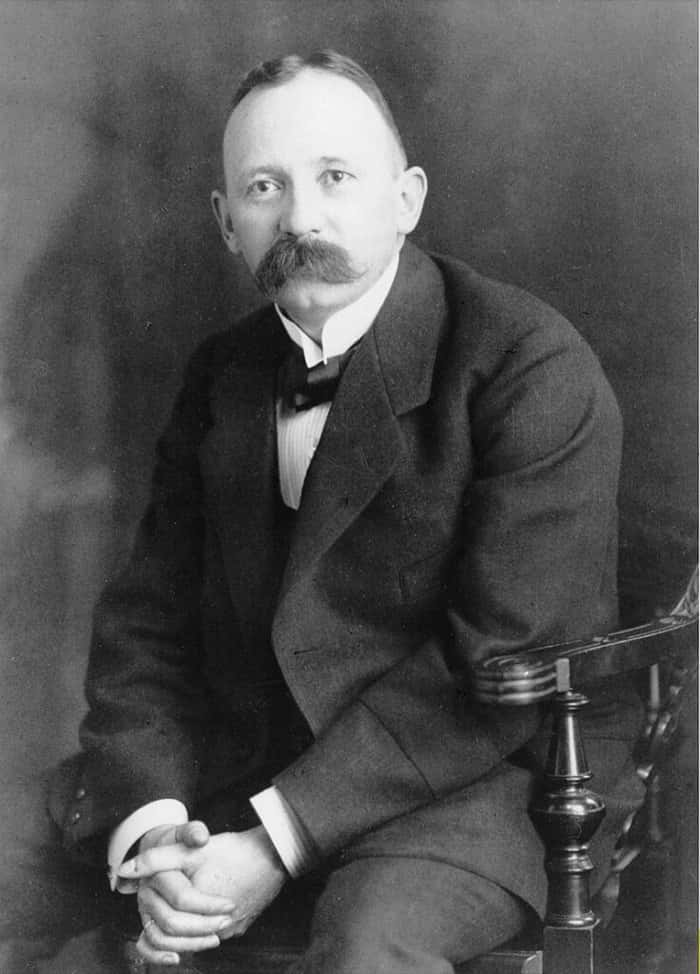
Back on September 13, 1909, a German chemist by the name of Fritz Hofmann secured a patent that would change the materials world forever — the first synthetic rubber. It was a brilliantly practical answer to a growing problem: demand for rubber was skyrocketing. The rising craze for bicycles, combined with rubber's expanding industrial applications, had exposed serious weaknesses in relying on natural rubber from Southeast Asian plantations. Wild price swings, inconsistent quality, and unreliable supply chains made the natural product increasingly impractical. Hofmann's employer, Elberfelder Farbenfabriken Friedr. Bayer and Co., saw the clear advantages a synthetic alternative could bring and dangled a prize before their chemists as motivation to crack the problem.
What gave Hofmann his breakthrough was a clever observation about the chemical kinship between isoprene and methyl-isoprene. Natural rubber consists of isoprene molecules, but methyl-isoprene shared enough chemical properties while being significantly easier to source — and that became his secret weapon. His experimental method was deceptively simple: he sealed the substance in tins, subjected it to heat, and then let time do its work. When he opened those tins after several months, he found an elastic material waiting inside — a substance he dubbed methyl rubber. Remarkably, his results were consistent every time, with the only variation being the hardness of the final product, which depended on the temperature applied.
On September 13 of that year, Hofmann officially received his patent for this groundbreaking synthetic rubber. Plenty of skeptics had dismissed a true rubber substitute as an impossible goal, yet Hofmann's determination proved them wrong — and he didn't stop there, going on to develop several additional versions in the years that followed. These innovations paved the way for decades of advancement across nearly every industry imaginable. They also turned out to be nothing short of a lifeline for Germany during World War I, when access to natural rubber was completely cut off. In recognition of his extraordinary scientific contributions, the German Chemical Society honored Fritz Hofmann with the Emil Fischer Medal in 1912.