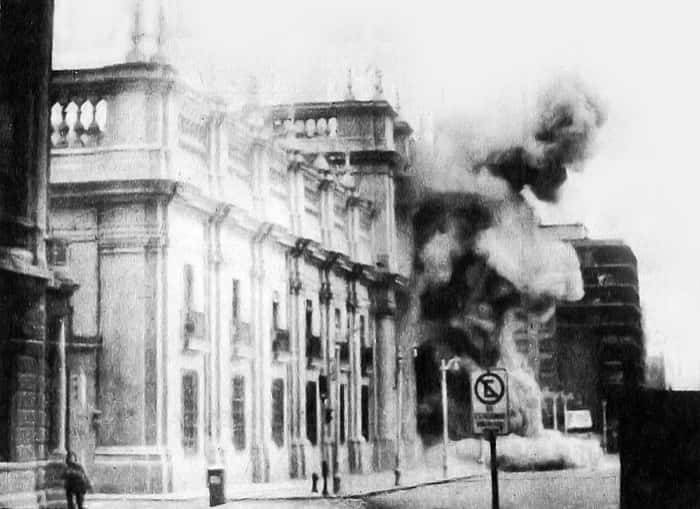
It was September 11, 1973, and Chile's democratic era came to a brutal end. A military coup, spearheaded by General Augusto Pinochet, violently toppled President Salvador Allende from power. What followed was the dismantling of Chile's proud democratic tradition and the beginning of a military dictatorship that would grip the nation for 17 years.
The Road to the Coup
Back in 1970, Salvador Allende had made history as Latin America's first democratically elected socialist head of state. A Marxist who led the Popular Unity coalition, Allende embarked on an ambitious agenda—nationalizing major industries, among them U.S.-owned copper mines, and rolling out far-reaching social reforms. The result was a deeply divided Chilean society. Inflation skyrocketed, industries ground to a halt under waves of strikes, and political friction intensified.
Meanwhile, Washington was watching nervously. Determined to prevent what it saw as another Soviet-aligned government taking root in the Western Hemisphere, the United States worked covertly to weaken Allende's administration. The CIA, operating under directives from President Richard Nixon and National Security Advisor Henry Kissinger, channeled money into propaganda efforts, bolstered opposition parties, and supported groups working to destabilize the economy. While evidence suggests the U.S. did not directly execute the coup, its actions helped lay the groundwork for the overthrow.
The Day Of
Before dawn on September 11, 1973, the Chilean navy took control of Valparaíso and demanded that President Allende step down. Within hours, the army, air force, and police had all turned against him. Tanks rolled toward La Moneda, the presidential palace, while fighter jets unleashed bombs on the building and troops closed in from every direction.
Allende, defiant to the last, took to national radio to deliver a farewell address. He refused to resign and reaffirmed his commitment to Chile's constitution. That afternoon, he perished inside the palace—most accounts agree by suicide, using an assault rifle that had been a gift from Fidel Castro. His parting words, "I have faith in Chile and its destiny… the great avenues will again be opened," would endure as a powerful symbol of resistance.
The Pinochet Regime
With Allende gone, Pinochet and a military junta seized total control. Congress was dissolved, left-wing parties were outlawed, and all political activity was suspended. Chile's national stadium was turned into a site of detention and torture. Over the course of the regime, more than 3,000 Chileans were killed, reported missing or disappeared, and tens of thousands more endured imprisonment and torture.
International Fallout
The shockwaves of the coup extended well beyond Chile's borders. The sight of La Moneda engulfed in flames sent a jolt through the international community. Pinochet's human rights abuses drew fierce global condemnation and sparked heated debates about U.S. foreign policy. Back in Washington, as details of CIA involvement came to light, Congress moved to strengthen oversight of intelligence agencies, and a human rights agenda began to take shape within American diplomacy.
To this day, the coup of September 11, 1973, stands as one of modern Latin American history's most consequential upheavals. It shattered Chile's standing as a stable democracy and replaced it with close to two decades of authoritarian rule.