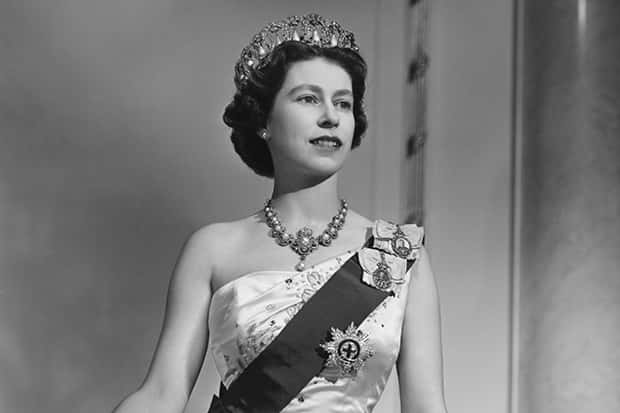
When most people think of British royalty, Queen Elizabeth II is likely the first name that comes to mind. Born on April 21, 1926, and christened Elizabeth Alexandra Mary, she was the eldest daughter of King George VI and went on to become Britain's longest-reigning monarch. What makes her story even more remarkable is that, at the time of her birth, the chances of her ever wearing the crown were incredibly slim.
Early Life
Elizabeth had no direct path to the throne as a young child — her uncle, Edward VIII, was the one expected to become king. However, everything changed when Edward abdicated shortly after assuming the crown, reshuffling the royal line of succession and elevating Elizabeth's father Albert to the kingship in 1936.
Their mother, along with a governess and private tutors, handled the education of Elizabeth and her younger sister, Margaret. When the bombing raids of World War II threatened London, the two girls were relocated for safety, spending time at Windsor Castle, Royal Lodge, or Balmoral Castle in Scotland.
Elizabeth became engaged to her distant cousin Philip Mountbatten, then serving as a lieutenant in the Royal Navy, in 1947. The couple wed that same year, and their first son, Charles, arrived in 1948.
Queen Elizabeth
By 1951, Elizabeth's father's health had entered a sharp decline, and he passed away on February 6, 1952. At the time, Elizabeth and Philip were traveling to Australia and New Zealand as part of an official tour. Upon learning of her father's death, the new queen made her way back to England and entered a mourning period. Her formal coronation took place on June 2nd, 1953.
That same fall, Elizabeth and Philip embarked on an extensive Commonwealth tour — a groundbreaking journey that made her the first British monarch to set foot in New Zealand and Australia. Visiting corners of the world rarely seen by British royalty became something of a hallmark of Elizabeth's reign. Beyond the more familiar destinations like European countries and the United States, she broke new ground as the first reigning monarch to travel to South America and the Persian Gulf countries. She also undertook the first royal tour of the Indian subcontinent in fifty years, while her visit to Ireland was the first by a monarch in one hundred years.
Royal Family in the Modern Era
Spanning decades of sweeping change, Elizabeth's lengthy reign weathered no shortage of challenges. The British empire's reach contracted significantly, and the very purpose of the monarchy faced intense scrutiny. Elizabeth worked deliberately to reshape how the public perceived the royal family, steering them away from a rigid, distant image toward something more relatable and approachable. A notable step in this direction came in 1970, when she permitted the royals to be filmed in an informal, domestic setting for television.
The 1990s proved especially turbulent, as a string of divorces thrust the royal family into tabloid headlines repeatedly, culminating in the tragic death of her daughter-in-law, Princess Diana. Public criticism of how the royals handled that heartbreaking loss was fierce and widespread.
Prince Philip, her husband, stepped back from public royal duties in 2017 and passed away in April of 2021. Across her entire tenure on the throne, Elizabeth II struck a delicate balance between honoring the time-tested traditions of royalty and embracing the expectations of a modern world.