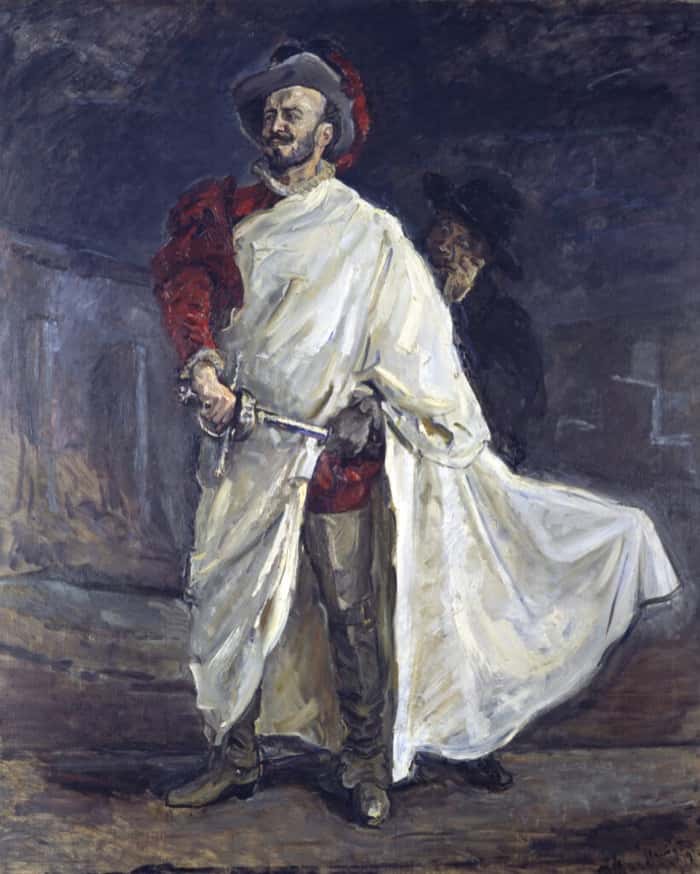
On October 29, 1787, Wolfgang Amadeus Mozart set loose a whirlwind of music and moral transgression on the stage of Prague's Estates Theatre. That work was the opera Don Giovanni.
Who was Don Giovanni?
He's a fictional nobleman drawn from the Spanish legend of Don Juan — a man who chased women relentlessly, trampled honor, took a life, and sneered at divine retribution. In most tellings, he gets what's coming to him. Mozart's version delivers punishment too, but not before its antihero has sung, charmed, and battled his way through a winding, melodic plunge toward damnation.
Things move quickly from the start.
The very first scene sees Giovanni kill the father of a woman he attempted to assault, triggering an avalanche of vengeance, trickery, and ultimate judgment. When the curtain finally falls, the stone statue of the slain man has come back to seize the unrepentant scoundrel and haul him straight to hell.
Those in the opera world classify it as dramma giocoso — part comedy, part drama. But that label barely scratches the surface. The work is a kind of operatic alchemy, juggling farce alongside fatalism, slapstick alongside suspense, never once missing a beat.
Why Prague?
In Bohemia, Mozart enjoyed something close to rock-star status. His Marriage of Figaro had already thrilled Prague's audiences earlier that year, and the city craved more. Mozart obliged with Don Giovanni, reportedly finishing the overture the night before the premiere.
And the premiere itself was extraordinary.
Mozart stood at the podium and conducted it personally. The Prague Post Office Gazette declared, "Connoisseurs and musicians say that Prague has never heard the like." This wasn't merely a night at the theater. It was operatic history unfolding in real time.
What makes Don Giovanni special?
- The music defies both time and logic. During the Act I finale, Mozart layers three dances happening simultaneously in three distinct time signatures — and somehow pulls it off.
- The characters feel genuinely alive. Giovanni is far more than a simple villain; he's irresistibly magnetic. His servant Leporello, the scorned lovers Elvira and Anna, and the peasant couple Zerlina and Masetto — each one vibrates with authentic emotion.
- Its genre-blending approach broke new ground. This wasn't some neat little morality play. It was visceral, breathing, and utterly unpredictable.
When the fellow composer Gioachino Rossini was once asked which opera he admired above all others, his answer came without a moment's pause: Don Giovanni. To this day, it ranks among the most frequently staged operas on the planet. Directors continue to grapple with its elusive tone. Should we read it as a cautionary tale? A pitch-black comedy? A supernatural thriller? The honest answer is all of the above.