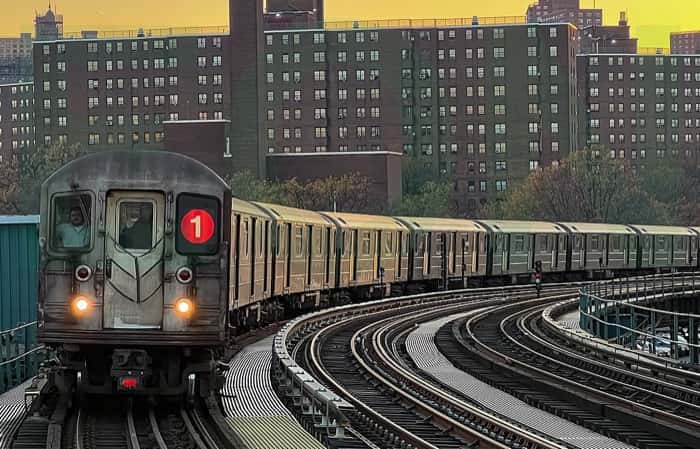
October 27, 1904, marked a transformative moment for New York City — the grand opening of its subway system. This engineering triumph fundamentally reshaped the way residents moved through one of the world's most dynamic urban centers. That inaugural line, connecting City Hall to Harlem, rapidly evolved into a cornerstone of the city's infrastructure, eventually carrying millions of riders on a daily basis.
Fun Facts:
- Stretching 9.1 miles from City Hall in Lower Manhattan all the way up to 145th Street in Harlem, the original subway line was run by the Interborough Rapid Transit Company (IRT).
- A single ride set passengers back just five cents — a price tag that remarkably held steady for close to 45 years.
- Building the subway was nothing short of an engineering colossus. Workers employed the 'cut-and-cover' method, which involved excavating trenches along city streets, installing tracks within them, and then sealing everything back up to restore the roadways above. Despite the considerable disruption this caused at street level, it proved essential to bringing the sprawling subway network into existence.
- When it debuted, the subway was celebrated as a symbol of the modern age. Its electric trains represented a dramatic leap forward from the streetcars and elevated trains that New Yorkers had previously relied upon, delivering faster and more efficient trips across the city. Beyond simplifying the daily commute, this revolution in transit shaped New York's physical growth by opening up residential neighborhoods far from the urban core.
- More than 150,000 riders packed into the subway on opening day alone, and the network grew swiftly to keep pace with the expanding metropolis — a clear sign of just how indispensable it had become. Fast forward to today, and the NYC subway boasts 472 stations while running 24 hours a day, 7 days a week.
- In the years before the pandemic, the NYC subway ranked among the largest and busiest rapid transit systems on the planet, with daily ridership exceeding 5.5 million passengers.
- Though trains no longer stop at the original City Hall station, it has been lovingly preserved as a historical landmark. Special tours give curious visitors the chance to step inside and experience a tangible piece of New York's transit heritage.