On October 27, 1787, readers across New York City flipped open their morning newspapers and encountered something that would quietly reshape American political thought: a mysterious, unsigned essay urging support for the newly drafted U.S. Constitution. It appeared in The Independent Journal, credited only to "Publius"—a pen name that would soon become legendary. That essay, later recognized as Federalist No. 1, kicked off a remarkable series of arguments destined to leave an indelible mark on America's political philosophy and its very future.
The Constitution Under Fire
The proposed Constitution had been completed just a month prior in Philadelphia, and it was already under siege. Critics voiced loud concerns that the new framework handed far too much authority to the federal government. Nowhere was this backlash fiercer than in New York, where Anti-Federalist voices flooded the pages of local papers with sharp denunciations of the proposed charter.
Enter Alexander Hamilton
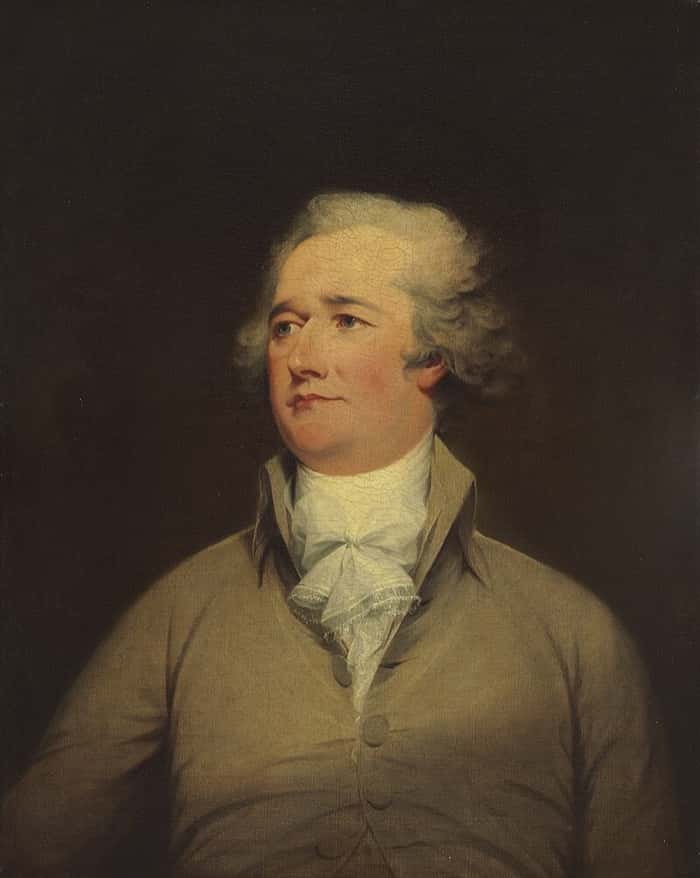
It was while attending to court business in Albany that Hamilton came to a sobering realization: New York's ratification of the Constitution was genuinely at risk. Rather than respond with heated rhetoric, he chose a different path—measured, logical argumentation. His plan? A comprehensive series of essays that would lay out the Constitution's core principles while systematically dismantling the opposition's arguments. But he knew he couldn't pull it off solo.
Hamilton brought two formidable minds into the fold: John Jay and James Madison. Jay, serving as Secretary of Foreign Affairs at the time, commanded broad public respect. Madison, who had already played a pivotal role in shaping the Constitution itself, possessed extraordinary political intellect. United under the pseudonym "Publius"—an homage to Publius Valerius Publicola, the Roman statesman credited with helping topple the monarchy and founding a republic—the trio embarked on one of history's most ambitious campaigns of persuasion.
The Power of Federalist No. 1
With Federalist No. 1, Hamilton established the stakes in vivid terms. He framed the moment as a test of whether "societies of men are really capable or not of establishing good government from reflection and choice, or whether they are forever destined to depend for their political constitutions on accident and force." The essential question was unmistakable: could a free people deliberately construct a just government, or were they fated to endure chaos?
What followed was extraordinary in both pace and scope. Across the next seven months, a total of 85 Federalist Papers rolled off the presses of New York newspapers, appearing in the Independent Journal, the New-York Packet, and The Daily Advertiser. The production was relentless. Hamilton shouldered the heaviest burden, penning at least 51 of the essays. Madison contributed 29, while Jay managed five before illness forced him to step away from the endeavor.
None of these pieces were casual reads. They dove deep into weighty topics—federalism, checks and balances, taxation, the judiciary, military defense, and beyond. And yet, despite their complexity, they remained accessible enough to engage everyday voters and compelling enough to shape crucial debates throughout the ratification process.