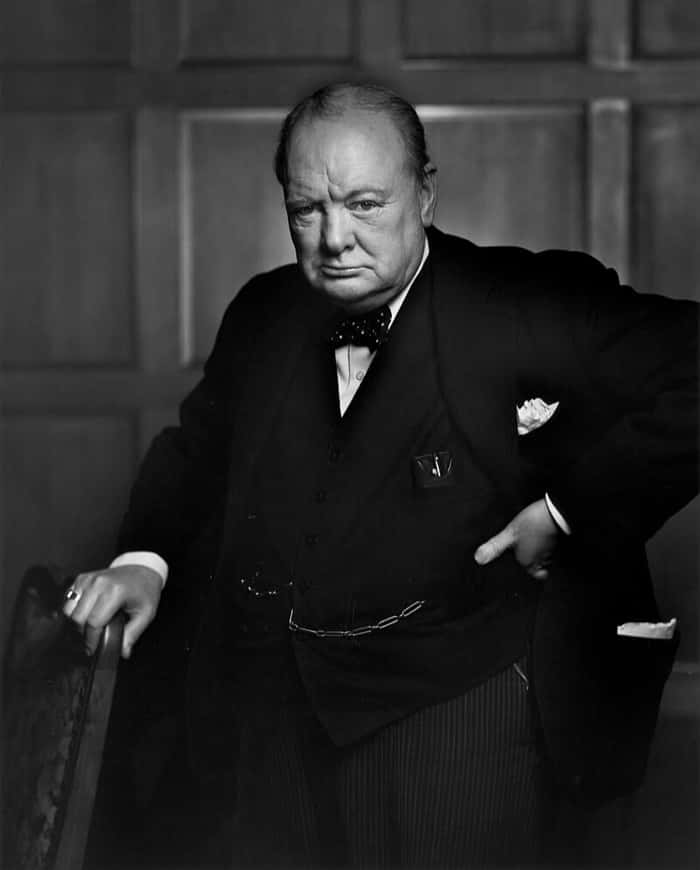
Few figures loom as large in the story of Britain as Winston Churchill, who stepped back into the role of Prime Minister on October 26, 1951 — marking his second time leading the United Kingdom. Already legendary for guiding the country through World War II, Churchill won his way back to power at the age of 76, with pledges to reassert Britain's place on the world stage and steer the nation past its economic difficulties.
Fun Facts:
- From 1940 to 1945, Winston Churchill served his first stint as Prime Minister — a chapter that would come to define an era in British history. Through the darkest stretches of World War II, his unwavering resolve and stirring oratory rallied the British people, ultimately helping to secure victory against Nazi Germany.
- The end of the war, however, did not translate into political triumph. Churchill's Conservative Party fell to the Labour Party in the 1945 general election, with Clement Attlee taking charge and ushering in far-reaching social reforms, among them the creation of the National Health Service (NHS).
- By 1951, public frustration with the Labour government had mounted amid persistent economic struggles. Churchill's Conservative Party edged out a narrow win, and at 76 years old, he once again assumed the role of Prime Minister.
- Churchill brought a well-defined strategic outlook to his second term. His priorities centered on restoring Britain's international prestige, navigating the country's post-war economic recovery, and skillfully handling the intensifying Cold War rivalry between the Soviet Union and the West.
- Even as age took its toll, Churchill continued to wield considerable influence, championing the cause of European unity and nurturing the special relationship between Britain and the United States. His health, though, was deteriorating — he suffered a stroke in 1953, a fact he deliberately concealed from the public eye.
- Churchill held office until 1955, when declining health compelled him to step down, handing the reins to Anthony Eden. Though lacking the high drama of his wartime premiership, this second chapter in power only cemented his standing among Britain's most exceptional leaders.
- The legacy Winston Churchill left behind is one defined by tenacity, masterful rhetoric, and an outsized role in shaping both modern Britain and the post-war international order. His impact remains woven deeply into the fabric of British history.