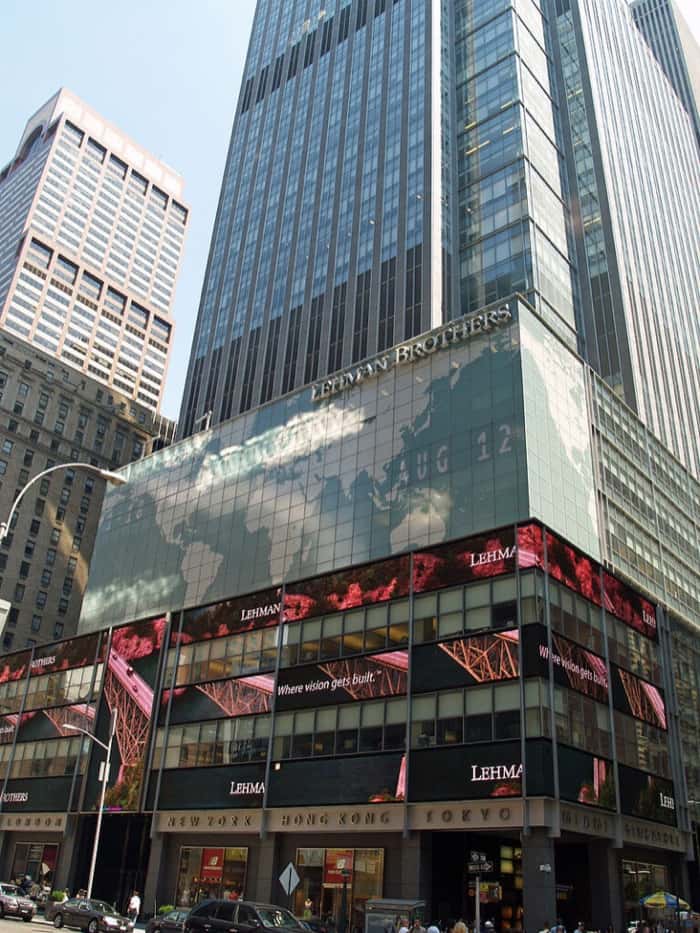
If you were anywhere near the financial world on October 24, 2008, the memory is seared into your mind. Known grimly as "Bloody Friday," this was the day global stock markets plunged into outright chaos. What had started as a financial crisis back in 2007 spiraled into full-blown panic, hammering markets across the United States, Europe, and Asia with devastating losses. The sheer scale of the sell-off laid bare just how deep the fear and instability ran throughout the world's economy.
Fun Facts:
- Global stock markets were thrown into unprecedented chaos on October 24, 2008. Some exchanges saw their value plummet by as much as 10% in just one trading session — losses so brutal that the day quickly became known by the chilling nickname 'Bloody Friday.'
- This crash didn't happen in isolation. It was a dramatic chapter in the larger global financial crisis that had been building since 2007, triggered by a collapsing housing market and the implosion of major financial institutions. By late 2008, what began as a financial tremor had snowballed into a full-scale international meltdown.
- No corner of the globe was spared. Across Europe, major exchanges in London, Paris, and Frankfurt posted steep losses. Asian markets were hit hard too — both Tokyo and Hong Kong experienced sharp declines as the shockwaves rippled outward.
- On Wall Street, the Dow Jones Industrial Average shed nearly 300 points. As jarring as that sounds, it actually represented a modest improvement over even more devastating drops earlier that month, including the staggering 777-point plunge on September 29, 2008.
- In response, governments around the world scrambled to stabilize their economies through emergency interventions — bank bailouts, liquidity injections, and slashed interest rates. In the United States, this effort culminated in the passage of the Troubled Asset Relief Program (TARP), a massive $700 billion bailout package designed to rescue the battered financial sector.
- The human toll of the crisis was staggering. The economic fallout triggered a severe global recession that stripped millions of people of their jobs, homes, and life savings.