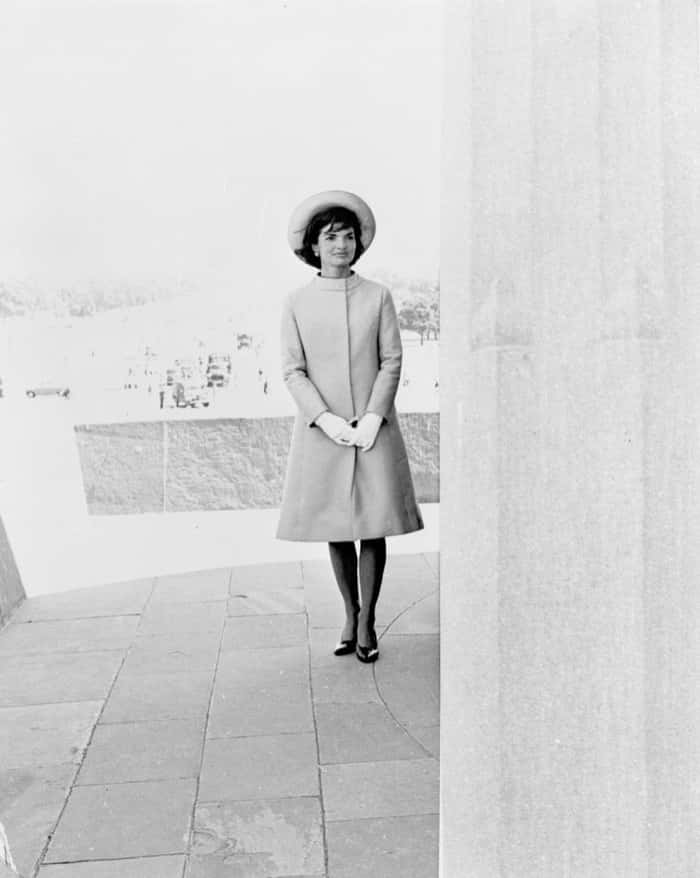
On October 20, 1968, the world watched in stunned disbelief as Jacqueline Kennedy — the beloved former First Lady of the United States and widow of President John F. Kennedy — exchanged vows with Greek shipping magnate Aristotle Onassis. The couple wed inside a small Greek Orthodox chapel on Skorpios, Onassis' private island. Journalists clamored for every scrap of information about a union that left a still-grieving public reeling from the loss of JFK.
It was, by all accounts, the wedding of the decade. And it was deeply controversial.
From Camelot to Skorpios
Only five years before, Jackie Kennedy had solemnly walked behind her husband's casket in a funeral witnessed by millions around the globe. She became a lasting emblem of composure in the face of tragedy — something like a modern queen presiding over America's fleeting "Camelot." Yet the period that followed brought crushing grief, unrelenting media attention, and the enormous task of raising two young children without their father. What Aristotle Onassis offered her was something almost no one else could provide: a way out.
A billionaire whose name was synonymous with yachts, charisma, and scandal, Onassis had known Jackie for years, though their relationship grew closer during the mid-1960s. By 1968, she had grown deeply tired of living under the public microscope. Privacy, protection, and peace — these were what she sought by becoming his wife.
The Ceremony
At 4 p.m. on October 20, 1968, the couple married on Skorpios, an Ionian Island that Onassis had transformed into his own personal paradise. Inside a chapel ringed by cypress trees, the ceremony was kept intimate and understated. Jackie, then 39, appeared radiant yet solemn, while the 62-year-old Onassis remained stoic throughout. Journalists were held at bay, with attendance strictly limited to a handful of family members and close friends. Among those present were her sister, Princess Lee Radziwill, and her husband, Prince Stanislaus Radziwill.
The day before the ceremony, Jackie released a rare public statement. "Wish us happiness and peace," she urged, appealing for privacy and reminding the press that even those who live in the public eye carry "the emotions of a simple person" during life's most personal moments.
A Mixed Reaction
Across the United States, the reaction was explosive. America's martyred president's widow had chosen to marry a foreign tycoon — a man long known for his flamboyant lifestyle and headline-grabbing business dealings.
Public opinion split sharply over Jackie's choice. The press began calling her "Jackie O," a nickname laced with equal parts fascination and scorn. Critics charged that she had married for wealth or turned her back on her role as a national symbol, while supporters insisted she deserved the chance to find happiness on her own terms.
The Vatican spoke out against the marriage because of Onassis's prior divorce. Political allies of the Kennedys found themselves blindsided. Even within the Kennedy family itself, the union created tension.
None of it made Jackie waver. For years, she had dutifully fulfilled a role she never asked for. This time, the choice was entirely hers.
A New Chapter
Her marriage to Onassis endured until his death in 1975. In the years that followed, Jackie quietly made her way back into American life, ultimately forging a well-regarded career as a book editor.