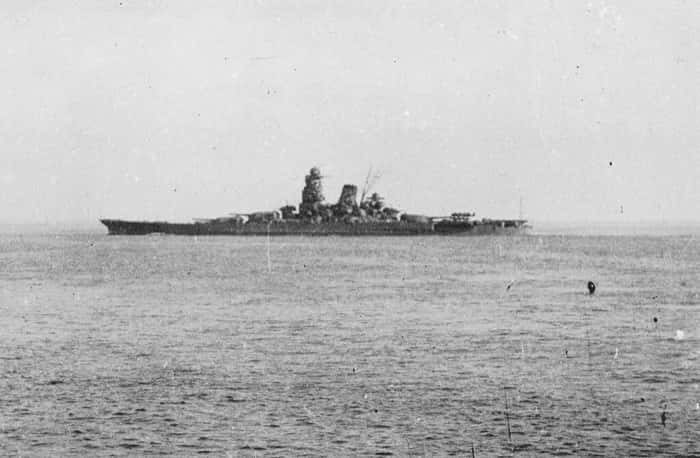
On October 17, 1944, the Battle of Leyte Gulf erupted in the Pacific theater of World War II, marking a watershed moment in the conflict. Widely regarded as one of the largest naval engagements ever fought, this massive confrontation proved pivotal in enabling Allied forces to reclaim the Philippines while dealing a crippling blow to Japan's naval capabilities.
Fun Facts:
- Spanning from October 17 to October 26, 1944, the Battle of Leyte Gulf stands as one of history's most enormous naval confrontations. The staggering scale of the engagement drew in more than 200,000 naval personnel representing the United States, Japan, and their respective allies.
- Allied forces launched the battle in the waters surrounding the Philippine island of Leyte, aiming to wrest the archipelago back from Japanese control. At the helm of this effort was General Douglas MacArthur, whose strategic genius proved essential to the outcome of this landmark engagement.
- The battle holds a grim distinction as the first occasion on which the Japanese Navy deployed kamikaze pilots in significant numbers — a desperate tactic that would grow increasingly prevalent as the war wore on. The sacrifice made by these pilots introduced an entirely new level of ferocity to the fighting and remains a sobering aspect of the conflict.
- For the Allies, Leyte Gulf represented a resounding and decisive triumph. Japan's navy emerged so thoroughly diminished that it could no longer carry out large-scale naval operations for the rest of the war.
- Admiral William Halsey and Admiral Thomas Kinkaid led the U.S. Navy's efforts during the battle, and their collaborative leadership and tactical judgment were central to the Allied victory. Together, their coordinated operations showcased the formidable cohesion and power of the Allied forces.
- Perhaps above all else, the battle lives on in popular memory for General MacArthur's triumphant return to the Philippines — the dramatic fulfillment of the promise he made when forced to withdraw in 1942: "I shall return."