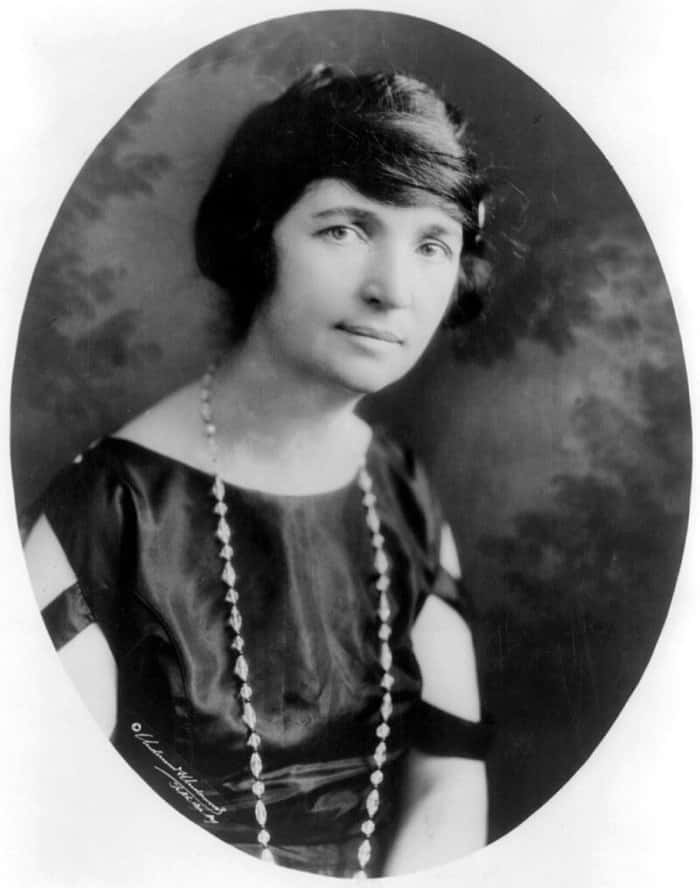
On October 16, 1916, Margaret Sanger made a daring move that would reshape the landscape of women's reproductive rights forever. That day, she opened the doors of the first birth control clinic in Brooklyn, New York — a revolutionary establishment designed to give women something radical for the time: access to contraception and the ability to make their own family planning decisions.
Fun Facts:
- On October 16, 1916, Margaret Sanger, who worked as a nurse and championed women's rights, launched the nation's first birth control clinic in the Brownsville neighborhood of Brooklyn, New York.
- At a time when contraception was widely considered taboo and outright illegal in many places, the clinic broke new ground by distributing diaphragms and sharing information about birth control, giving women unprecedented access to family planning resources.
- Law enforcement moved swiftly against the clinic, shutting it down a mere nine days after its opening. Sanger found herself under arrest for violating the Comstock Act — legislation that prohibited the distribution of birth control information. Her willingness to defy this unjust law stands as a powerful testament to her courage and unwavering determination in advancing women's reproductive rights.
- Though the clinic's existence was fleeting and fraught with legal obstacles, its forced closure actually ignited something far larger: the birth control movement in the United States. The episode triggered urgent public debates and waves of activism centered on women's reproductive rights, shining a spotlight on the desperate need for reform.
- What began as that small Brooklyn clinic would eventually transform into Planned Parenthood, now recognized as one of the world's leading organizations dedicated to reproductive healthcare and family planning services.
- Today, Margaret Sanger stands as a trailblazing figure in the history of women's health. Her tireless work ultimately contributed to the legalization of contraception in the United States and helped establish a foundation for expanded reproductive freedoms across the globe, cementing her place as a towering figure in the worldwide fight for women's rights.
- The ripple effects of that first birth control clinic have proven both profound and enduring. By laying the groundwork for modern reproductive health clinics, it set in motion a movement that continues to fuel the global fight for access to contraception and women's rights — a lasting reminder of just how significant that small Brooklyn clinic truly was.