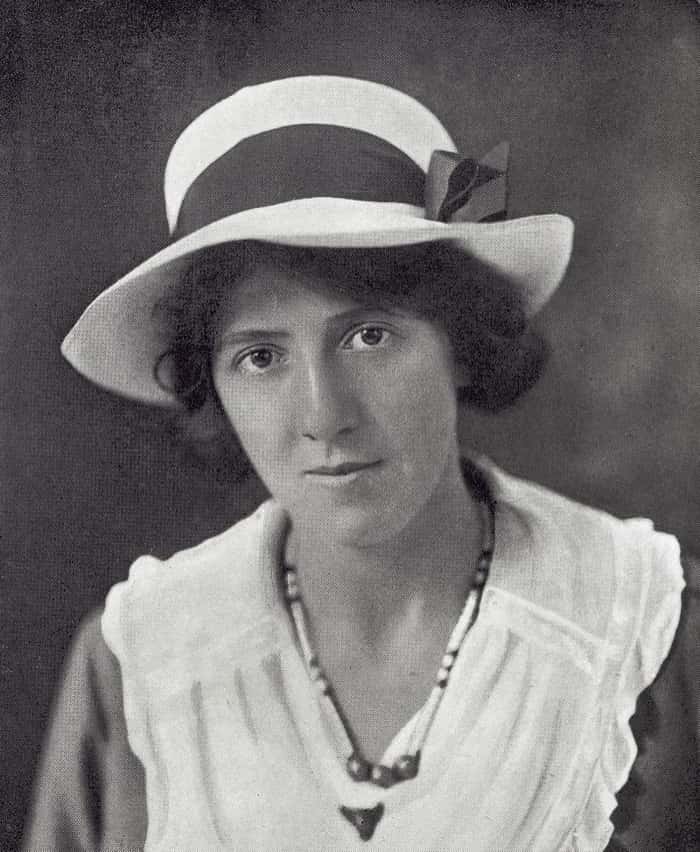
Marie Stopes entered the world on October 15, 1880, in Edinburgh, Scotland — a child born into intellectual privilege who would grow up to become one of the 20th century's most controversial and influential figures. Trained as a scientist but driven by radical conviction, she championed birth control, women's rights, and sexual health during an era when such subjects were firmly considered taboo.
From Fossils to Family Planning
Science was where Stopes began her academic path. In just two years, she completed a degree in botany at University College London, followed by a doctorate in paleobotany from the University of Munich in 1904. By the age of 24, she had earned distinction as one of Britain's youngest female doctors of science, and she soon took up a lecturing position in botany at the University of Manchester.
Everything shifted after her 1911 marriage to fellow botanist Reginald Ruggles Gates fell apart. She claimed the union was never consummated — an experience that left her emotionally shaken yet intellectually galvanized. Rather than retreating, she redirected her formidable mind toward sex, marriage, and motherhood, approaching these subjects not as a detached observer but as a woman compelled to make sense of the very forces that had upended her own life.
Breaking the Silence
With the 1918 publication of Married Love, Stopes delivered a candid exploration of sex within marriage that scandalized polite society and flew off the shelves immediately. Later that same year, she followed it with Wise Parenthood, a work that championed family planning and drew a clear connection between sexual fulfillment and marital harmony.
These books transformed her into both a household name and a magnet for fierce criticism. The Church — Roman Catholics in particular — denounced her work. Yet the public was paying attention.
Founding a Movement
Together with her second husband, Humphrey Verdon Roe, Stopes opened Britain's first birth control clinic in 1921, situated in Holloway, a working-class area of London. Women could visit the clinic to receive contraceptive advice and education entirely free of charge.
Her purpose was unmistakable: she wanted to empower women to take control of their fertility, safeguard their health, and build happier marriages. To amplify her voice, she also established the Society for Constructive Birth Control, which gave her a national platform. Through writing that was fierce, deeply personal, and powerfully persuasive, she reached millions of readers. Her 1923 book, Contraception: Its Theory, History and Practice, stood as the most comprehensive guide to birth control available at the time.
A Complex Legacy
Yet Stopes' views carried significant flaws. She was a strong advocate of eugenics, holding the belief that selective reproduction could serve as a tool for societal improvement. She contended that individuals she deemed "inferior" — particularly among the poor — should be discouraged from having children, a conviction that casts a deep shadow over her legacy today.