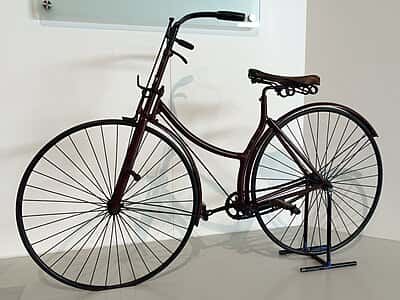
For more than a hundred years, the bicycle has stood as an enduring icon of personal freedom, practical efficiency, and environmental sustainability. A pivotal moment in cycling history arrived on October 10, 1899, when a patent for the modern bicycle frame was established. The design it introduced was nothing short of transformative — producing bikes that were lighter, stronger, and far simpler to manufacture, ultimately setting the stage for every bicycle we ride today.
Fun Facts:
- A groundbreaking new design for the modern bicycle frame received its patent on October 10, 1899, a development that helped establish a standardized shape and level of efficiency for bicycles across the globe.
- At the heart of this patent was the diamond-shaped frame design — a configuration that remains the standard in most bicycles to this day. By dramatically enhancing balance, stability, and structural strength without adding unnecessary weight, this design turned the bicycle into a far more efficient and pleasurable option for both transportation and leisure.
- Prior to this patent, riders had to contend with bicycle frames that were bulky, awkward, and poorly designed, making the simple act of cycling a real challenge. The new frame changed everything by enabling mass production, which in turn drove down costs and put bicycles within reach of everyday people.
- This breakthrough emerged right in the middle of the late 19th-century bicycle boom, a period when cycling was surging in popularity as both a practical way to get around and an enjoyable pastime.
- Throughout the early 20th century, bicycles became deeply woven into the cultural fabric, offering independence to people across all ages and social classes. Women, in particular, discovered a powerful sense of newfound freedom through cycling.
- The patent opened the door to a wave of subsequent advancements in bicycle technology. Innovations in materials, gearing systems, and components followed over the years, each one making cycling progressively more efficient and enjoyable.
- Across the world today, millions of people rely on bicycles for transportation, exercise, and recreation. The 1899 patent was instrumental in driving their widespread adoption and shaping their design, securing its place as a landmark chapter in the story of transportation and technology.