On the evening of November 9, 1965, a massive power failure known as The Great Blackout of the Northeast swept across a vast swath of the United States, leaving millions shrouded in darkness. What started at a power plant along the Niagara River quickly spiraled out of control, rippling through the northeastern United States and into parts of Canada. More than 30 million people found themselves without electricity, with major urban centers such as New York, Boston, and Toronto going dark for as long as 13 hours. What stood out, however, was how remarkably composed the public remained throughout the ordeal — and the event ultimately served as a catalyst for much-needed upgrades to the nation's power grid infrastructure.
Fun Facts:
- It all kicked off at 5:16 p.m., when a seemingly minor issue at a power plant on the Niagara River in Ontario triggered a devastating chain reaction throughout the electrical grid. The root cause? A faulty relay setting that pushed the system past its limits, forcing power plants to trip off one after another in rapid succession.
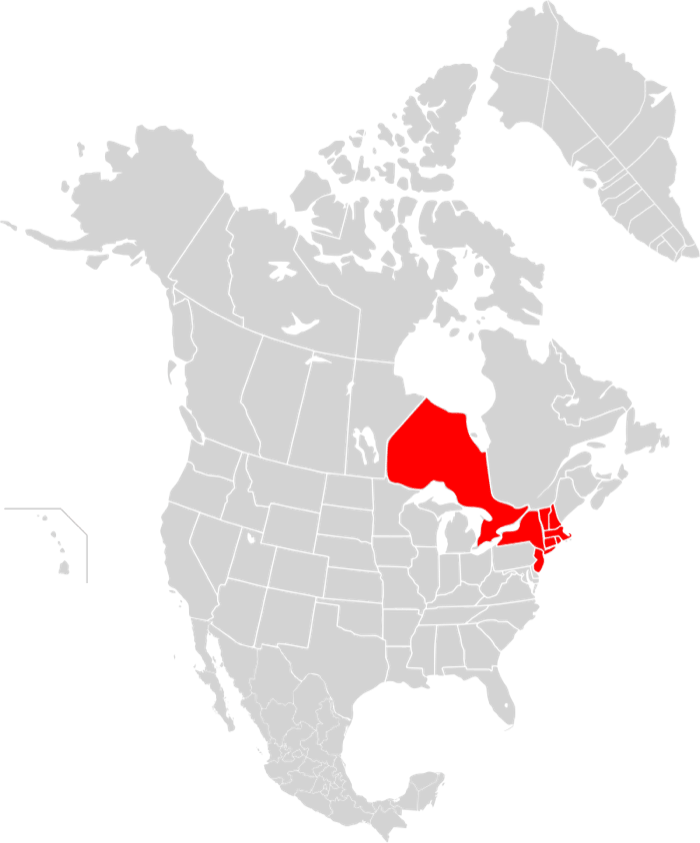
- The cascade of failures was breathtakingly fast — within mere minutes, seven U.S. states had gone dark, among them New York, Connecticut, and Massachusetts, along with parts of Ontario, Canada. The toll was staggering: over 30 million people lost electricity, and in New York City alone, roughly 800,000 people found themselves stranded inside subway cars.
- The geographic reach of the outage was extensive, spanning Connecticut, Canada, New Jersey, Vermont, New Hampshire, Maryland, New York, Pennsylvania and Massachusetts.
- How long people sat in the dark varied widely by location, ranging from just a few hours all the way up to 13 hours. New York City endured one of the longest stretches, remaining without power for more than 10 hours, while cities like Toronto and Boston were fortunate enough to see their lights flicker back on considerably sooner.