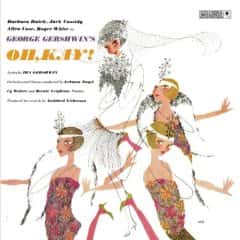
The musical Oh, Kay! made its grand entrance on the New York City stage on November 8, 1926, and audiences fell in love almost immediately. The creation of brothers George and Ira Gershwin, this production became a sensation thanks to its clever wordplay and irresistible melodies. Infused with jazz rhythms and wrapped in a breezy storyline, Oh, Kay! perfectly embodied the spirit of the Roaring Twenties and stands as a landmark moment in the evolution of musical theater.
Fun Facts:
- The show sprang from the legendary partnership of George Gershwin, who handled the composing duties, and his brother Ira Gershwin, who crafted the lyrics. Together, this celebrated pair had already built a reputation for producing unforgettable songs and stage shows, and Oh, Kay! proved to be yet another triumph in their remarkable catalog.
- Perhaps nothing defined Oh, Kay! more than its standout number, 'Someone to Watch Over Me.' Performed by lead actress Gertrude Lawrence, the song was an immediate sensation that has endured as one of George Gershwin's most cherished compositions, playing a major role in cementing his musical legacy for decades to come.
- At its heart, the show tells the story of Kay, the daughter of a bootlegger, as she navigates romantic complications set against the backdrop of Prohibition. The energetic storyline and sharp, comedic writing perfectly matched the freewheeling attitude that defined the 1920s.
- Gertrude Lawrence took on the title role of Kay and quickly earned widespread acclaim for both her enchanting stage presence and her vocal talents. Her performance was instrumental in elevating her status as one of Broadway's brightest stars.
- Over the course of its run, Oh, Kay! racked up an impressive 256 performances — no small feat for any production. This kind of staying power underscored just how much audiences craved musical comedies during the Jazz Age, and it firmly secured the show's reputation as a significant chapter in musical theater history, leaving a deep impression on theatergoers.
- Beyond its immediate success, Oh, Kay! helped chart a new course for the future of musical theater. By weaving modern jazz sensibilities into the fabric of traditional show tunes, it raised the bar for what musical productions could achieve. The songs and narrative vividly reflected the electric energy of Broadway in 1920s New York City, and its legacy continues to resonate in theater today, sparking inspiration among new generations of stage enthusiasts.