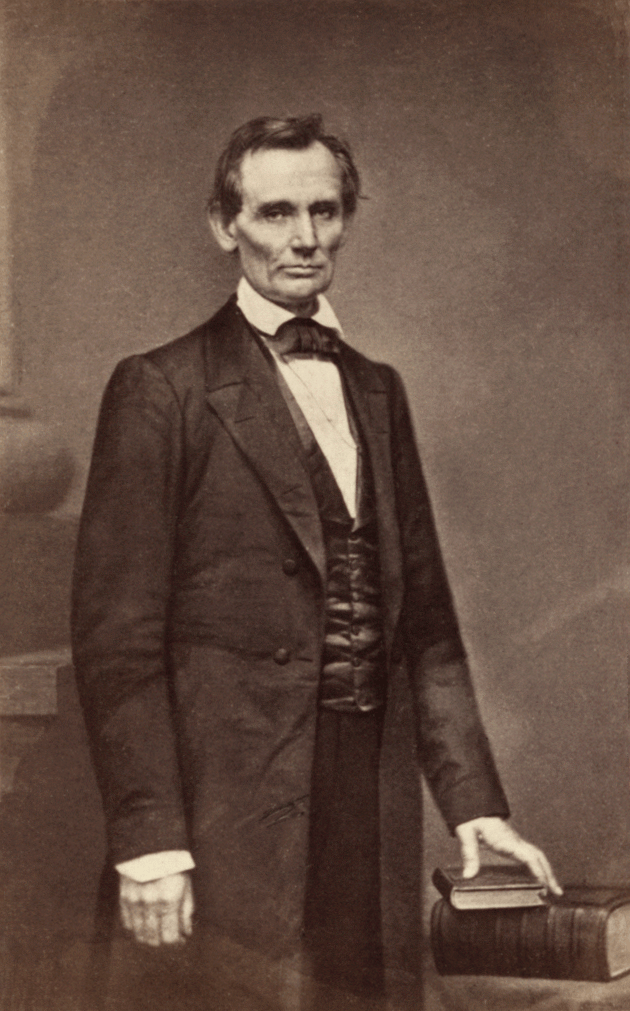
It's hard to overstate the significance of what happened on November 6, 1860. That was the day Abraham Lincoln won the presidency, becoming the 16th leader of the United States. His victory marked a turning point on multiple fronts — it represented the ascendance of the Republican Party onto the national stage, but it also set in motion the secession of Southern states, a chain of events that would plunge the country into the Civil War. Through the darkest chapter in American history, Lincoln's steadfast leadership and his dedication to ending slavery earned him a place among the most honored presidents the nation has ever known.
Fun Facts:
• He was the first Republican President- The Republican Party was still in its infancy when Abraham Lincoln became its first candidate to claim the White House. His win was a landmark moment for the young party, and his anti-slavery platform resonated powerfully across Northern states.
• The electoral Split- Few elections have revealed a more fractured nation than the contest of 1860. Lincoln faced off against three rivals: Stephen A. Douglas (Northern Democrat), John C. Breckinridge (Southern Democrat), and John Bell (Constitutional Union). Despite capturing only 40% of the popular vote, Lincoln clinched the presidency thanks to a commanding performance in the Electoral College.
• Southern Secession- The outcome of the election proved to be the spark that ignited Southern secession. In just weeks following Lincoln's victory, South Carolina led the way as it and other Southern states broke away from the Union, laying the groundwork for the American Civil War.
• Abolition of Slavery—The path toward abolition took a decisive step forward with Lincoln's election. While his initial priority centered on holding the Union together, the Emancipation Proclamation he issued in 1863 made unmistakably clear his deep commitment to bringing slavery in the United States to an end.