As darkness fell on November 30, 1936, a massive inferno illuminated the skies above south London. What had once stood as a magnificent symbol of Victorian innovation and aspiration—the Crystal Palace—was destroyed, collapsing into charred debris. The disaster began without warning. Then chaos erupted.
Those present described witnessing fire within the vast iron-and-glass edifice shortly after nightfall. The structure was consumed by the inferno in a matter of hours. People could observe its brilliant light from great distances. Horrified spectators numbering in the thousands flooded to Sydenham Hill to witness the catastrophe unfold. The press compared the assembled masses to those at a cup final. To countless observers, it felt as though history itself was going up in flames.
A Palace of Progress
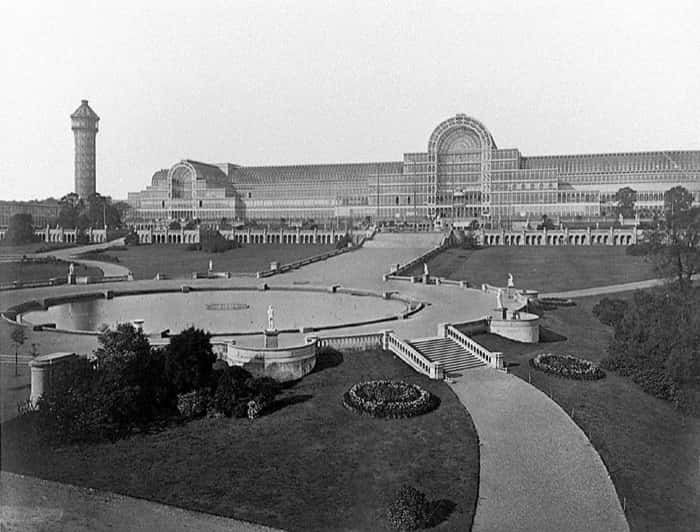
Originally, the Crystal Palace served as the focal point for the Great Exhibition of 1851. Joseph Paxton created the structure as an engineering wonder of prefabricated construction. Constructed from cast iron and plate glass, it extended almost 1,850 feet in length and contained thousands of displays celebrating the industrial power of the British Empire.
Following the exhibition's conclusion, the building was taken apart and relocated to Sydenham, where in 1854 it reopened as a lasting cultural landmark. The venue became home to festivals, exhibitions, concerts, and notably the first organized dinosaur sculptures located in its adjacent park.
Neglect and Decline
The Crystal Palace, for all its initial glory, faced severe financial difficulties during its final decades. The expense of upkeep was substantial, and its Victorian splendor appeared more and more incompatible with contemporary preferences. Multiple unsuccessful attempts to restore its prosperity merely postponed what was coming. By the time flames erupted in 1936, significant portions of the building were already deteriorating.
The Night of the Fire
Numerous fire brigades rushed to respond, but their efforts proved largely futile. The building's construction—featuring open interior spaces, aged wood, and expansive glass panels—transformed it into a massive oven. The Palace that had once captivated the globe disappeared into cinders and smoke as iron supports warped from extreme temperatures and the roof came crashing down.
The exact cause was never determined. Two of the three nightwatchmen on duty later reported hearing what they thought were electrical failures.
By the time morning arrived over London, only a framework of blackened iron stood. Winston Churchill, present among the spectators, lamented the tragedy, saying, "This is the end of an age."
A Memory in Smoke
No complete reconstruction has ever taken place at the site. The park surrounding the former Palace endures, and its dinosaur sculptures still draw visitors, yet the Palace itself remains only a memory of industrial pride and imperial confidence. Over the decades, proposals to rebuild have surfaced, but none have succeeded.