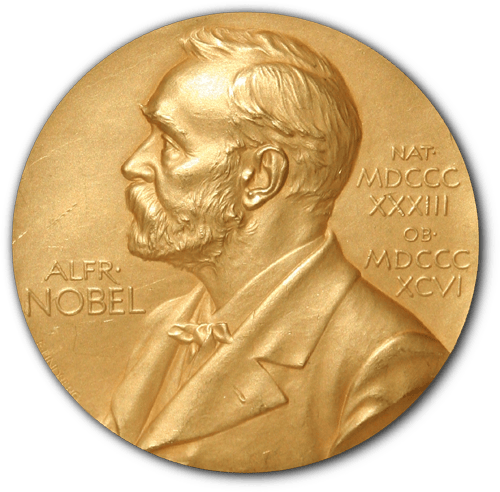
On November 27, 1895, Swedish chemist, inventor, and industrialist Alfred Nobel put his signature on a remarkable will that would transform his vast wealth—accumulated through 355 inventions, most notably dynamite—into a force for advancing human progress. The document's unprecedented provisions ultimately gave birth to the Nobel Prize, an internationally recognized honor bestowed each year upon those making extraordinary contributions to humankind—a tradition that endures and flourishes to this day.
Alfred Nobel
Born in 1833 in Stockholm, Sweden, Alfred Nobel came from a well-known family of considerable size that privately faced financial hardships. Though plagued by poor health during childhood, his inquisitive intellect shone brightly, particularly in chemistry and engineering disciplines. Private instructors provided his schooling, and his linguistic talents blossomed early—he had mastered multiple languages before his teenage years ended.
His professional journey started within his father's engineering enterprise, which flourished following the family's move to Russia. Before turning thirty, he established Nitroglycerin Aktiebolaget, his initial business venture focused on explosive materials research. His groundbreaking 1867 creation of dynamite—a safer alternative to nitroglycerin—became his most celebrated invention, though it earned him the grim moniker "The Merchant of Death."
His innovative career yielded patents for more than 355 inventions, among them smokeless powder, blasting gelatin, and the blasting cap. These intellectual properties generated substantial riches for him. Yet Nobel harbored no wish for his name to be forever associated with destruction and mortality. This aspiration to create something positive drove him toward the choice that would define his memory: dedicating his wealth to establishing an enduring gift to mankind.
A Controversial Will
Approximately one year prior to his passing, Nobel executed his living will on November 27, 1895. The document directed that his wealth establish a yearly fund honoring people whose work significantly advanced human welfare. His vision encompassed rewarding excellence across science, literature, and art fields, alongside recognizing those working toward international peace and brotherhood. Furthermore, he insisted that nationality and sex must never influence the selection process.
Public opinion and his relatives sharply criticized this choice. While he allocated a modest share of his estate to family members, Nobel maintained they would gain greater advantage through accessing his educational resources and business interests. He held a deep conviction that channeling his riches toward humanity's benefit would create lasting value for generations ahead. His family challenged the will through legal proceedings, but the courts eventually determined that Nobel's wishes deserved to stand. The inaugural Nobel Prize ceremony took place in 1901, 5 years after he died.
Impact
The Nobel Prizes now rank among the world's most esteemed honors, celebrating those whose exceptional work has benefited mankind. Alfred Nobel created an endowment fund structured so that earnings generated from his fortune would perpetually finance these awards. This financial foundation underwrites scientific investigation, acknowledges worthy recipients, and advances harmony between nations.