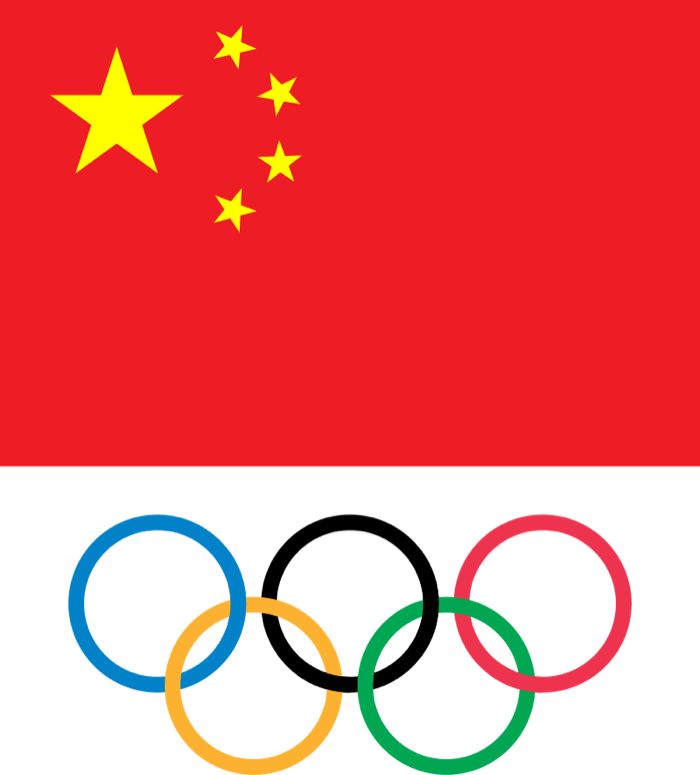
On November 26, 1979, a landmark decision reshaped the landscape of international sport: the International Olympic Committee (IOC) officially welcomed the People's Republic of China back into the Olympic fold after a 21-year hiatus. Far more than a procedural vote, this moment drew the curtain on a saga that had begun with China's departure from the Games in 1958 over the contentious issue of Taiwan's representation. It also signaled a profound transformation in global diplomacy and a reinvigorated commitment to the spirit of international athletic competition. The reverberations of this reinstatement stretch both backward into history and forward into the evolving story of the Olympic movement.
Fun Facts:
- The backdrop: A political standoff drove China out of the Olympics in 1958. At the heart of the dispute was the IOC's recognition of the Republic of China (Taiwan) as the official Chinese representative. Beijing demanded that Taiwan not be acknowledged as a separate country, and when that demand went unmet, China walked away from Olympic competition entirely.
- Resolution: A carefully crafted compromise emerged in 1979, with the IOC permitting China to take part under the name "People's Republic of China" — a designation reflecting its political identity — while Taiwan would compete as "Chinese Taipei" beneath a distinct flag. This diplomatic balancing act represented a major breakthrough in addressing the protracted political standoff and opened the door for both entities to have a presence at the Games.
- Return to the Games: Following its readmission, China made its Olympic comeback at the 1980 Winter Olympics in Lake Placid, New York, before appearing at its first Summer Games in 1984 in Los Angeles. Beyond athletics, China's return carried deeper symbolic weight — it marked a new chapter of global engagement after prolonged isolation driven largely by internal political circumstances and the broader tensions of the Cold War.
- Rise to Dominance: It didn't take long for China to establish itself as a formidable Olympic force. When Beijing hosted the 2008 Olympics, the nation stood atop the medal standings with an impressive haul of 100 total medals, 48 of them gold. The Games served as a stage for China to display both its athletic prowess and its expanding influence on the world stage, with Olympic success mirroring the country's broader national strength and competitive ambition.