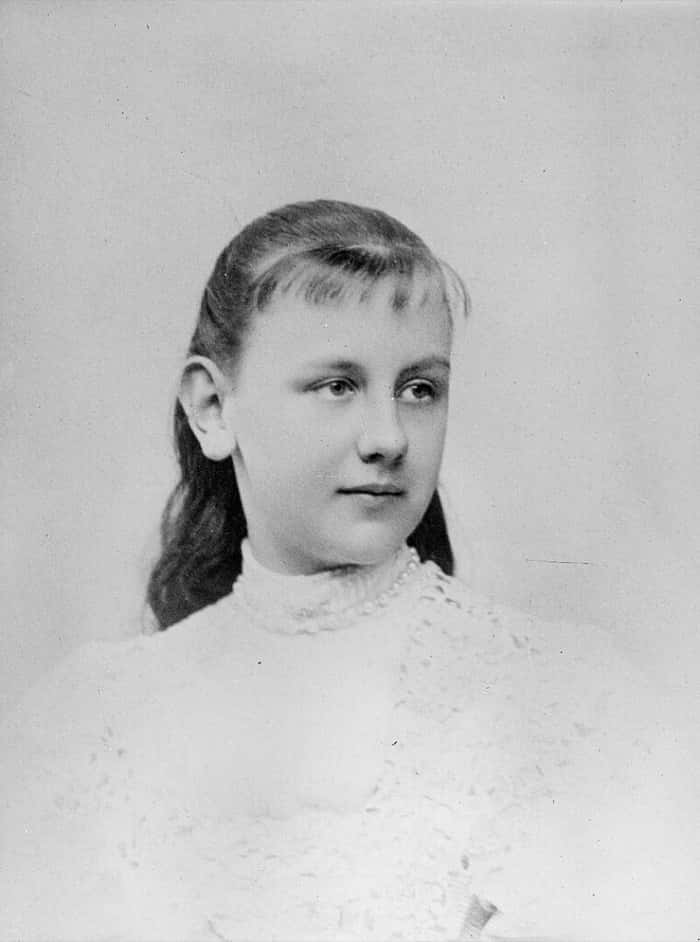
It's hard to imagine the weight of a crown resting on the head of a ten-year-old, but that's exactly what happened on November 23, 1890. Wilhelmina of Orange-Nassau ascended to the throne of the Netherlands that day, becoming the small European nation's youngest monarch. Her father, King William III, had passed away that very morning, leaving behind a kingdom, a grieving widow, and a daughter who would go on to rule for close to six decades. No one had anticipated the moment would arrive quite this early.
A Nation's Only Heir
Born on August 31, 1880, in The Hague, Wilhelmina entered a world where her path to the crown was paved by tragedy. King William III was already in his sixties by the time she arrived, and all three sons from his earlier marriage had predeceased him. With the young princess not yet of age, her mother, Queen Emma, stepped in as regent—effectively steering the ship of state for the next eight years until Wilhelmina turned eighteen. Through a period of global transformation, Emma kept the monarchy stable and intact, all while preparing her daughter for the immense role ahead.
Even in childhood, however, Wilhelmina displayed a steely determination that belied her age. Queen Victoria of Britain, upon meeting the young royal, described her as "graceful, intelligent, and extremely well-mannered." Yet beneath that polished exterior lay a sharp and resolute mind—one that would eventually leave its mark on Dutch politics, commerce, and national spirit during some of history's darkest chapters.
A Symbol of Strength in Storms
Few monarchs have presided over such a turbulent sweep of modern history. Wilhelmina saw the Netherlands maintain its neutrality throughout World War I, steered her country through the devastating economic collapse of the 1930s, and emerged as a powerful voice of defiance during World War II. When Nazi forces swept across her homeland, she escaped to Britain and took charge of the Dutch government-in-exile. From there, her passionate broadcasts on Radio Orange became a lifeline, inspiring a suffering nation to hold on.
She was far more than a figurehead. Outspoken and fiercely determined, Wilhelmina issued what she called a "flaming protest" after German bombs devastated Rotterdam, flatly refusing to acknowledge the occupation. Even Churchill held her in high regard. For the Dutch people, she transcended the role of monarch—she embodied the Netherlands itself, keeping the nation's spirit alive from London.
A Queen by Right and Choice
After nearly 58 years on the throne, Wilhelmina made a deliberate decision in 1948 to step aside. Citing health issues, she abdicated and handed the crown to her daughter, Juliana. Where other rulers might have clung to power, Wilhelmina chose her own departure on her own terms. She withdrew to a quiet life at Het Loo Palace, penning memoirs that unveiled a deeply religious and contemplative woman who had shouldered an extraordinary burden for her country.
Her book, Eenzaam maar niet alleen ("Lonely but Not Alone"), offered a profound window into her soul. Two world wars, political turbulence, and sweeping social transformation had defined her reign—yet through it all, she had governed with an unwavering sense of duty and a resolve that few could ever hope to equal.
The child who received a crown at the age of ten ultimately became an enduring symbol of resilience and steadfastness in a world defined by uncertainty.