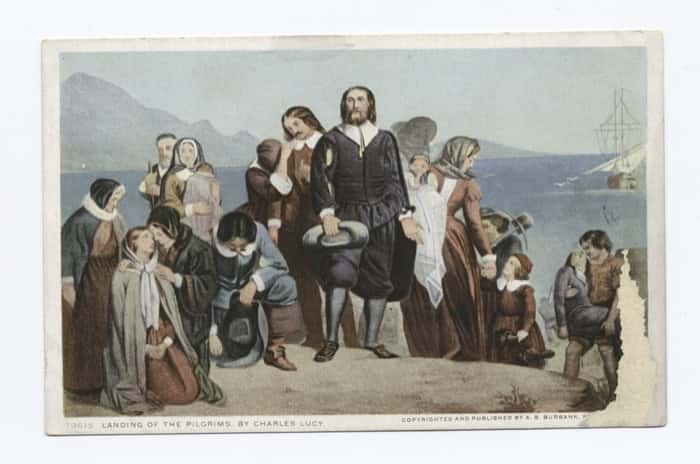
After enduring weeks of rough and unforgiving seas, the Mayflower at last reached Cape Cod on November 19, 1620. Aboard the vessel were 102 passengers along with around 30 crew members, all of whom had originally set out for the Virginia Colony. But treacherous waters and difficult conditions steered the ship off course, delivering it instead to what is now Provincetown Harbor in Massachusetts. For the Pilgrims — a group made up primarily of English Separatists in search of religious freedom and an opportunity to begin anew — this landfall represented the start of an entirely new chapter in their lives.
Fun Facts:
- Not the Originally Planned Destination: The Hudson River area, which fell within the Virginia Colony's boundaries, had been the Mayflower's intended landing spot. Fierce storms during the voyage, however, pushed the ship northward until it reached the shores of Cape Cod.
- The Mayflower Compact: Before anyone set foot off the ship, the Pilgrims recognized that they needed a system of order. They drew up the Mayflower Compact, a document signed by 41 men that laid out a framework for self-governance — one that would go on to shape future American political structures.
- Adapting to the New Land: Cape Cod served as the Pilgrims' first area of exploration, though they quickly discovered how difficult it was to survive the brutal winter conditions there. They ultimately crossed the bay and established their settlement in Plymouth, where they built connections with the Native American Wampanoag tribe.
- Legacy of Thanksgiving: A bountiful harvest the next year gave rise to the first Thanksgiving celebration, a gathering shared by the Pilgrims and the Wampanoag people. This event planted the seeds of a tradition that endures to this day.
- Mayflower's Historic Impact: The story of the Pilgrims' voyage and the settlement they built has become an enduring symbol of perseverance and faith. Each year, the legacy of the Mayflower is honored as a testament to the pursuit of freedom and unity — ideals that would profoundly shape early American identity.