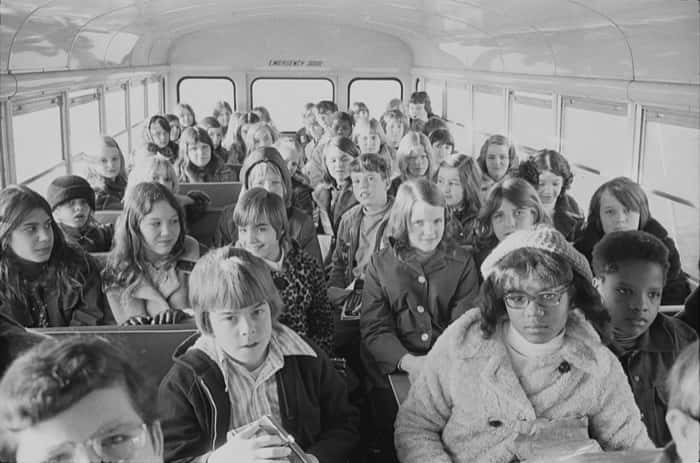
On November 13, 1956, the US Supreme Court delivered a landmark ruling declaring race separation on buses unconstitutional. The court affirmed the decision reached in Browder v. Gayle, a legal challenge brought against the state of Alabama and the city of Montgomery. For the Civil Rights Movement, this represented nothing short of a transformative triumph.
The roots of Browder v. Gayle stretched back to the Montgomery Bus Boycott, sparked by Rosa Parks's infamous arrest on December 1, 1955. As the boycott captured attention both nationally and internationally, it cast a powerful spotlight on the deep injustice of race separation. Leaders at the forefront of the movement channeled that growing awareness into the courtroom. Four African American women — Aurelia Browder, Claudette Colvin, Susie McDonald, and Mary Louise Smith — became plaintiffs in the case, with attorney Fred Gray arguing on their behalf. Named as defendants were Montgomery Mayor William A. Gayle, various city officials, representatives of the Montgomery City Lines bus company, and members of the Alabama Public Service Commission.
The case was heard by a three-judge panel, which determined that race separation on public transport was a violation of the Fourteenth Amendment. The panel went further, barring both Montgomery and Alabama from operating segregated bus lines. In response, the city and state took the fight to the US Supreme Court, contending that the "separate but equal" doctrine had never been explicitly overturned. Their argument failed — the Supreme Court stood behind the Browder v. Gayle ruling.
Following the delivery of an official notice to Mayor Gayle by federal marshals, desegregation went into effect on December 20, 1956. The Supreme Court's decision marked a monumental leap forward for Black rights. Though the broader struggle was far from finished, it pushed the law meaningfully in the right direction.