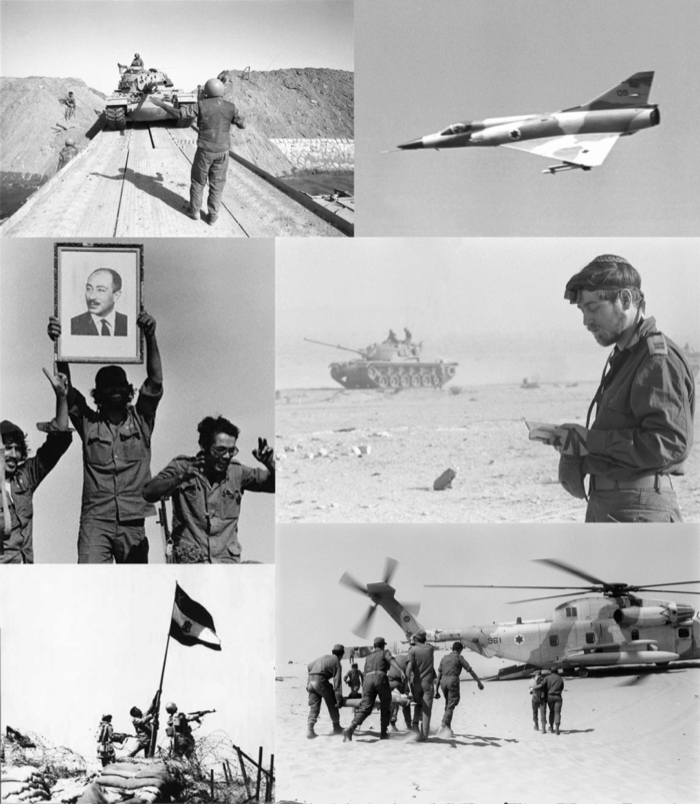
In a barren stretch of desert only 63 miles from Cairo, two longtime adversaries did something remarkable while an exhausted world looked on. On November 11, 1973, Israel and Egypt put their signatures on a six-point ceasefire agreement — a document that began steering the Middle East away from catastrophe.
Not an Ordinary Truce
Call it what you will, but this was far more than a standard ceasefire. For the first time since 1949, senior military officials from both nations came together to negotiate something beyond simple pauses in the fighting. The agreement arrived in the aftermath of the devastating Yom Kippur War, which had ravaged the region just weeks earlier.
That conflict erupted on October 6, 1973, when Egyptian and Syrian forces struck Israeli positions across the Sinai Peninsula and the Golan Heights in a coordinated offensive. The attack landed on Israel's holiest day, catching the nation largely by surprise. Israel's fierce counteroffensive followed swiftly, driving deep into Egyptian territory and surrounding the strategically vital city of Suez.
The US Stepped In
The Cold War cast a long shadow, and with global superpowers paying close attention, the U.S. entered the picture. Secretary of State Henry Kissinger proved instrumental in crafting the deal that drew both countries to the negotiating table — quite literally a table inside a tent at Kilometer 101 on the Cairo-Suez Highway, ringed by United Nations peacekeepers.
There sat General Aharon Yariv representing Israel and General Mohamed Abdel Ghani el-Gamasy representing Egypt, facing one another across that table. No handshakes were exchanged. Words between them were scarce. Yet both men signed. Their quiet resolve, forged against a backdrop of decades-long hostility, spoke volumes.
The agreement laid out several critical provisions:
- A mutual halt to hostilities.
- Discussions on returning to positions held before the October 22 U.N. ceasefire.
- Humanitarian relief for the besieged city of Suez.
- Supply access for Egyptian troops east of the canal.
- The replacement of Israeli roadblocks with U.N. checkpoints.
- A full prisoner exchange.
In a region where mistrust ran deeper than the Suez itself, these were audacious commitments. Every single provision carried the burden of prolonged conflict alongside fragile aspirations for a peaceful future. Israeli General Yariv struck a careful but determined tone in his public statements, underscoring strength, preparedness, and clear-eyed pragmatism. "If there are doubts… let us say clearly that the Israel Defense Forces are standing fast and ready," he declared. Yet he also allowed himself to envision what might come next: "We have taken the first step along the long and difficult road that leads to a settlement."
Within Israel, skepticism was widespread — the shock of the October war had left deep wounds. Still, American diplomatic pressure kept both sides moving forward. Two previous ceasefire attempts since the war's outbreak had already fallen apart, but this third effort endured. Syria remained outside the agreement, and genuine peace still felt like a far-off possibility. Even so, November 11 represented a pivotal moment of transformation.