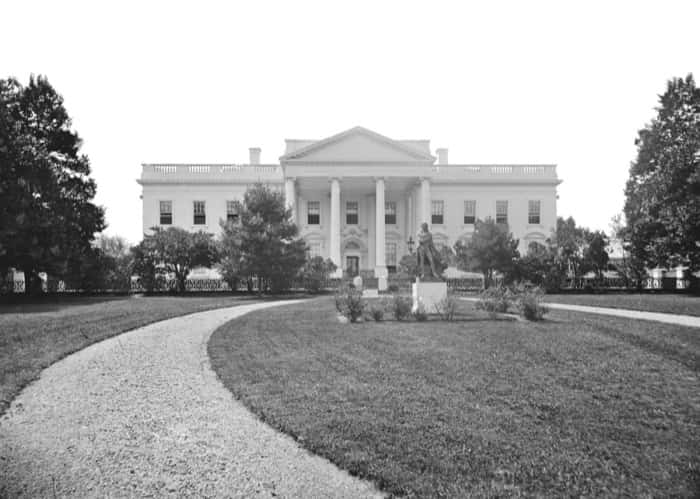
On November 1, 1800, President John Adams stepped through the doors of a half-completed mansion standing in the middle of a city that barely existed yet. Known then as the "President's House," the building rose from what was essentially a swampy village still being hewn out of raw wilderness.
The place was damp, barely furnished, and largely empty. Yet from that moment forward, it was home.
Adams holds the distinction of being the first president to take up residence in the White House.
Let's Rewind
Throughout the 1790s, the young nation's government had bounced from New York to Philadelphia, but neither was meant to last. A permanent capital was required by the Constitution, and Congress settled on a stretch of land along the Potomac River that would become Washington, D.C.
The Executive Mansion — the building we now know as the White House — wasn't completed in time for most of Adams's presidency. Nevertheless, with only a few months remaining in his term, he packed up and made the journey.
His wife, Abigail, wasn't with him when he first arrived. The house greeted him with cold rooms, walls still tacky with fresh paint, and a glaring absence of furniture. Abigail joined him days later and offered her own verdict: "It is habitable by firelight," she wrote, "and the heat of the fire and the candles, and the company of a few friends, makes it cheerful."
Why Did He Go?
It came down to conviction — a deep faith in what the nation could become. The White House was more than a residence; it was a powerful symbol. By taking up residence there, even for a short while, Adams was making a bold declaration: This is America's home.
Luxuries were nowhere to be found. Adams relied on old furniture hauled down from Philadelphia and supplemented what he could with borrowed pieces. The vast rooms stood mostly bare. Carpets, furnishings, even tea sets — everything had to be transported over miles of punishing, unfinished roads, and supplies remained painfully limited.
None of that stopped the Adamses. They threw open those chilly, echoing halls for New Year's receptions, diplomatic events, and intimate family dinners, filling the emptiness with life and warmth where there had been none.
Then Came Tradition
Just before leaving office, Adams penned words that would resonate across the centuries. In a letter to Abigail, he wrote: "I pray Heaven to bestow the best of blessings on this House and all that shall hereafter inhabit it. May none but honest and wise men ever rule under this roof." Those words were eventually carved into the mantel of the State Dining Room, becoming a quiet covenant — a standard against which every future president would be measured. The legacy Adams left behind? Understated, resolute, and built to last.
Their time in the mansion proved brief. Thomas Jefferson claimed victory in the 1800 election and assumed residence the following March. But what John and Abigail Adams accomplished went far beyond settling into a new home. They sent an unmistakable message: the government had planted its roots for good. This unfinished, uncertain house would one day stand as a towering emblem of democracy.
It all started when Adams walked across that threshold on a cold November morning.
So the next time you see the White House glowing against the night sky, alive with ceremony and the weight of power, remember how it began: one president, a crackling fireplace, and an enormous amount of faith in the American experiment.