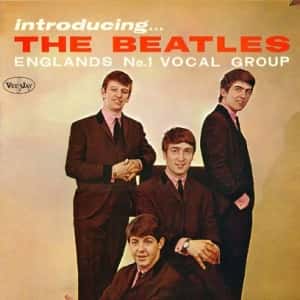
On May 9, 1962, a quartet of young Liverpool musicians walked into the EMI studios on Abbey Road and put pen to paper on their first recording contract with Parlophone Records, an EMI division. It was a pivotal moment — one that would launch the Beatles onto a path toward music immortality.
The Beatles were far from household names at that point. Decca Records had already turned them down earlier that year, a move widely considered one of the most notorious missteps in the history of the music business. But the group refused to let rejection derail their ambitions. Enter George Martin, a producer best known for his work on comedy records and novelty songs. Though the band's audition tape was far from flawless, Martin saw something special in their raw energy and natural charisma. He took a leap of faith, offering them a deal with Parlophone — a comparatively humble label within EMI's roster. That single decision would go on to reshape the entire musical landscape.
Their first official studio session took place in June 1962, with Pete Best behind the drum kit. That lineup wouldn't last long, though. After George Martin judged Best's drumming skills to be unsatisfactory, Ringo Starr came aboard in late summer 1962, completing the iconic Fab Four: John Lennon, Paul McCartney, George Harrison, and Ringo Starr. The group's real breakthrough arrived with "Love Me Do," their debut recording, released in October of that year. It earned moderate commercial success and sparked growing public curiosity about the band.
The contract the Beatles signed on May 9, 1962, was hardly a million-dollar deal. Yet this modest agreement set the stage for a sweeping cultural transformation — the Beatles would eventually extend their reach well beyond music, emerging as trailblazers in global fashion, film production, and youth culture design.
By the mid-1960s, the group had cemented British musical dominance on the world stage, packing stadiums across America. Their willingness to experiment forged new foundations in rock and pop music, securing their permanent place in musical history. That original contract with EMI Parlophone served as the cornerstone of what would become one of the most remarkable career achievements the world has ever seen.