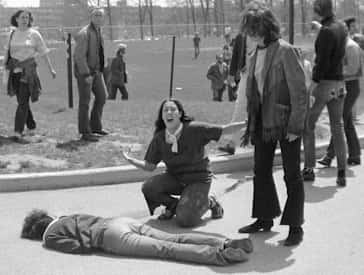
The events of May 4, 1970, transformed Kent State University into a scene of sheer horror. What unfolded in a mere 13 seconds — when the Ohio National Guard fired into a crowd of 300 student demonstrators — claimed four young lives and left nine others wounded. In that brief burst of gunfire, countless lives were upended, and the entire nation found itself forced to reckon with how it treated student activists and those who dared to speak out in opposition.
From its earliest days, the Vietnam War drew fierce opposition. By 1970, after years of American involvement in the conflict, President Nixon revealed plans to widen military operations into Cambodia — a move that triggered enormous public outrage. Students at colleges and universities nationwide took to the streets in protest, and Kent State University joined a long list of campuses where political demonstrations and rallies were taking shape. When authorities moved to break up a spirited rally, the National Guard was deployed to restore order. What followed was catastrophic: guardsmen fired into the crowd of students, killing three on the spot. A fourth student would succumb to injuries at the hospital. Of the nine students who were wounded, one suffered permanent paralysis.
The aftermath sent shockwaves through the country with startling speed. A massive surge of student activism erupted as over 4 million students staged walkouts at universities nationwide, joining the growing political rally movement. Public sentiment shifted dramatically, with disapproval of the United States' involvement in the Vietnam War climbing sharply in the wake of the shootings and demonstrations. Many believe that investigations indicate the National Guard's presence on campus was unjustified, and yet not a single person was ever held responsible for the deaths of those four young students on May 4th. Still, this devastating tragedy compelled the nation to face an uncomfortable truth about the unacceptable deployment of force against those exercising their right to dissent.