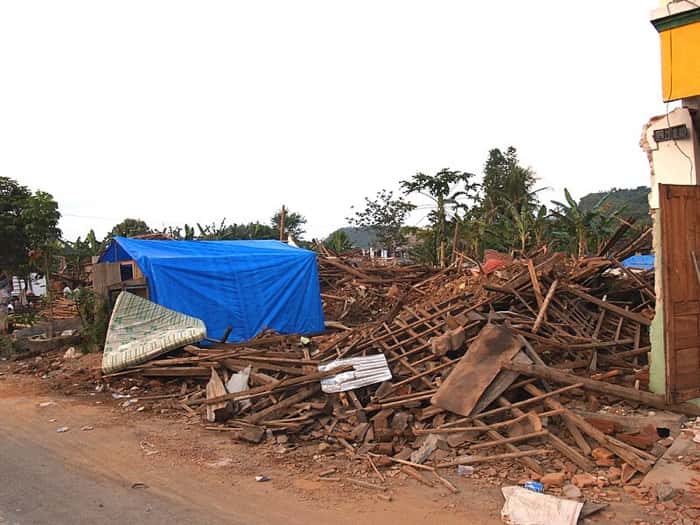
Java's Yogyakarta region was rocked on May 27, 2006, by a catastrophic earthquake that reached a maximum magnitude of 6.4. The tremor originated along a fault line within the Sunda Plate — a zone notorious for intense seismic activity — and unleashed widespread destruction across the area. The human toll was staggering: nearly 6,000 lives were lost, tens of thousands of people suffered injuries, and millions found themselves grappling with enormous structural and economic devastation.
Why did a 6.4-magnitude earthquake inflict such a disproportionate level of destruction? That question has fueled considerable speculation among experts. A major factor lies in the building practices common throughout Yogyakarta, where many structures rely on unreinforced masonry construction. When the ground shook, countless homes and small businesses crumbled, forcing hundreds of thousands of residents from their neighborhoods. Geography played a role as well. The city sits in close proximity to Mount Merapi, an active volcano whose past eruptions have blanketed surrounding areas with volcanic debris and deposits. Scientists speculate that depressions formed by this accumulated material may have intensified the seismic shaking felt across the city, compounding the already catastrophic damage.
In the earthquake's aftermath, Indonesian authorities moved swiftly, declaring a three-month state of emergency to coordinate disaster response. The financial toll was immense — damages are estimated to have exceeded one billion dollars. As Indonesia faced the daunting task of rebuilding, the international community stepped up with aid. Donations poured in from nations including China, Japan, Canada, India, and the UK, alongside a significant contribution from the Church of Jesus Christ of Latter-day Saints.