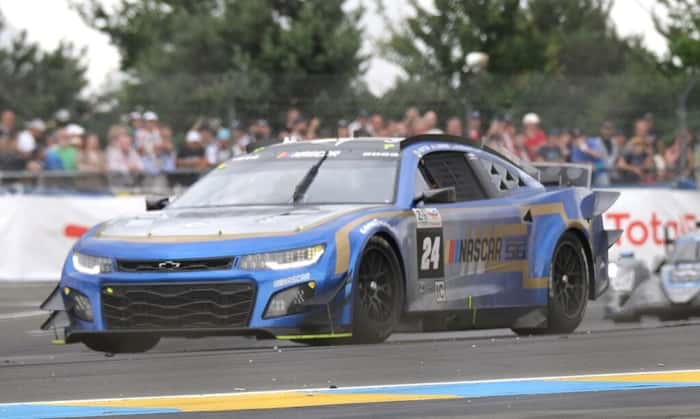
Every year, drivers and machines are pushed to their absolute limits in the 24 Hours of Le Mans — an endurance car race unlike any other. The very first edition took place on May 26, 1923, racing along the public roads of Le Mans, France. It holds the distinction of being the longest-running and most prestigious endurance race for motor vehicles ever staged. The event also carries enormous significance in the wider world of motorsport: it forms one leg of the Triple Crown of Motorsport, together with the Monaco Grand Prix and the Indianapolis 500. Beyond that, it belongs to the Triple Crown of Endurance Racing, completed by the 24 Hours of Daytona and the 12 Hours of Sebring.
Car racing, for most people, conjures images of blistering speed and raw acceleration. The 24 Hours of Le Mans — whose official name is the 24 Hours of Grand Prix Endurance — flips that script entirely. Here, what matters most is the reliability and endurance of the vehicles, paired with the stamina and skill drivers must sustain over grueling stretches behind the wheel. The Automobile Club de l'Ouest (ACO), which first organized the race in 1923, had a clear vision: push manufacturers to prioritize not only speed and sportiness but also fuel efficiency and dependable performance, cutting down the time cars needed to spend in the pits.
June is traditionally when the 24 Hours of Le Mans takes place, timed to coincide with the shortest nights and typically warm weather. From its very beginning, the race captured the public's imagination, though it went on a temporary hiatus from 1940 to 1948 in the wake of World War II. Coming up on June 14-15, 2025, the 93rd annual running of the event will once again see drivers testing the boundaries of both human endurance and vehicle capability before a global audience. Victory goes to whichever car manages to cover the greatest distance within the 24-hour window.