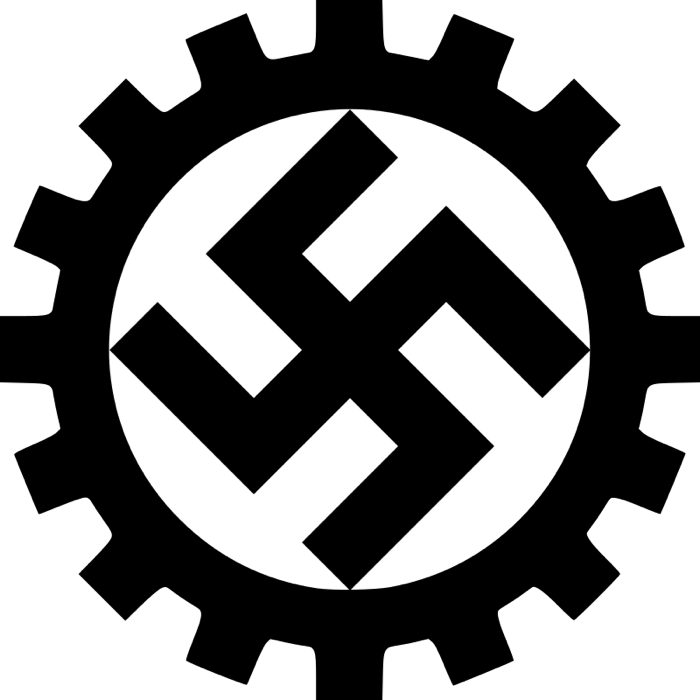
When Hitler initially rose to power, his position was far from secure. The Nazi party operated as just one member of a three-party coalition governing the country, which meant they lacked a parliamentary majority—making it nearly impossible to push through legislation without backing from the other parties. Adding to their weakness, only two cabinet members belonged to the Nazi party, severely constraining their reach. Most people dismissed Hitler as a laughingstock, and the prevailing assumption was that his time in office would be short-lived. But Hitler had other ideas.
His first move involved orchestrating a series of attacks—the Reichstag fire chief among them—which he then pinned on communists. These incidents became the pretext for ramming through the Enabling Act, a piece of legislation that gave him the authority to bypass parliament entirely and govern through decree. With the bill's passage, civil liberties were effectively suspended across the board. The trade unions were next on his agenda.
Why target the unions so early? Because Germany's labor organizations were among the most formidable anywhere in the world at that time, giving workers enormous power and sway. Their ability to shut down entire industries handed them real leverage over the direction of government policy. Sharing power with anyone, though, was something Hitler had no intention of doing.
His approach was ruthless: he branded all trade unions as communist fronts, outlawed them in one sweeping move, and had their leaders thrown in jail. With a single stroke, a major potential challenge to his authority was wiped out. In the unions' place, he established the German Labor Front, a state-controlled organization designed to extend government dominion over workers across every industry, effectively replacing independent labor power with a tool of the regime.
After that, he banned every political party except the Nazi party, and his hold on power in Germany was complete. Breaking that grip would ultimately require the combined efforts of half the world over the course of several years.
Once Hitler had consolidated his authority, he clung to it relentlessly—until war and worldwide resistance finally wrenched it away.
It took:
- A world war.
- The combined force of the Allied nations.
- Millions of lives lost.
This story extends far beyond one dictator—it stands as a haunting reminder of how swiftly democracy can crumble and tyranny can take root when fear, manipulation, and silence crowd out vigilance and resistance.