On Thursday, April 4, 1968, at 6:05 P.M., a gunshot rang out at the Lorraine Motel in Memphis, Tennessee, fatally striking Martin Luther King Jr. as he stood on the building's balcony.
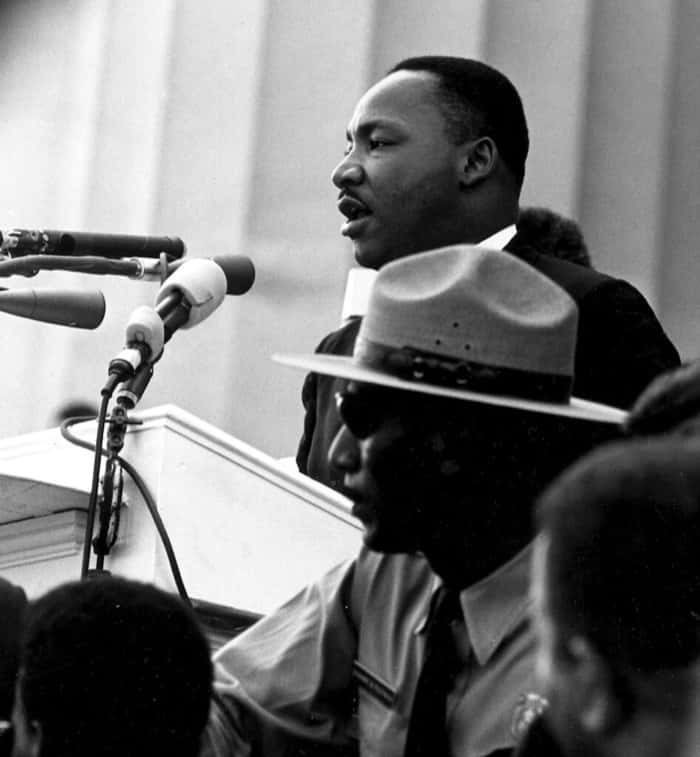
A Baptist minister and accomplished scholar, Martin Luther King Jr. served as the driving force behind the civil rights movement through the Southern Christian Leadership Conference (SCLC). Starting in the mid-1950s, his powerful activism and stirring speeches were instrumental in bringing an end to legal segregation across the United States.
During the final years of King's life, however, a growing chorus of young African American activists began pushing back against his commitment to nonviolence as a tool for change. These radicals embraced a more confrontational strategy and had little interest in operating within the existing political framework.
Facing this rising opposition from fellow African American leaders, King looked to broaden his appeal beyond racial lines by publicly voicing his opposition to the Vietnam War. He and his SCLC colleagues were also developing plans for a march to Washington — an effort aimed at reinvigorating his movement and pressing Congress to act on behalf of impoverished Americans, both Black and white. Issues like poverty and unemployment were at the heart of what he hoped to address.
That spring of 1968 brought King to Memphis, where he lent his support to striking sanitation workers. On the night of April 3, speaking at the Mason Temple Church, King delivered a hauntingly prophetic address that seemed to anticipate his own untimely passing. The following evening, a sniper's bullet tore into his neck. He was rushed by ambulance to St. Joseph's Hospital, where doctors pronounced him dead at 7:05 P.M.
His assassination unleashed a wave of riots across major cities throughout the country, giving way to a somber period of national mourning. A two-month manhunt culminated in the capture of James Earl Ray, an escaped convict. In March 1969, Ray entered a guilty plea to the murder charges and received a sentence of 99 years in prison. To this day, King's legacy endures through the annual observance of Martin Luther King Jr. Day.