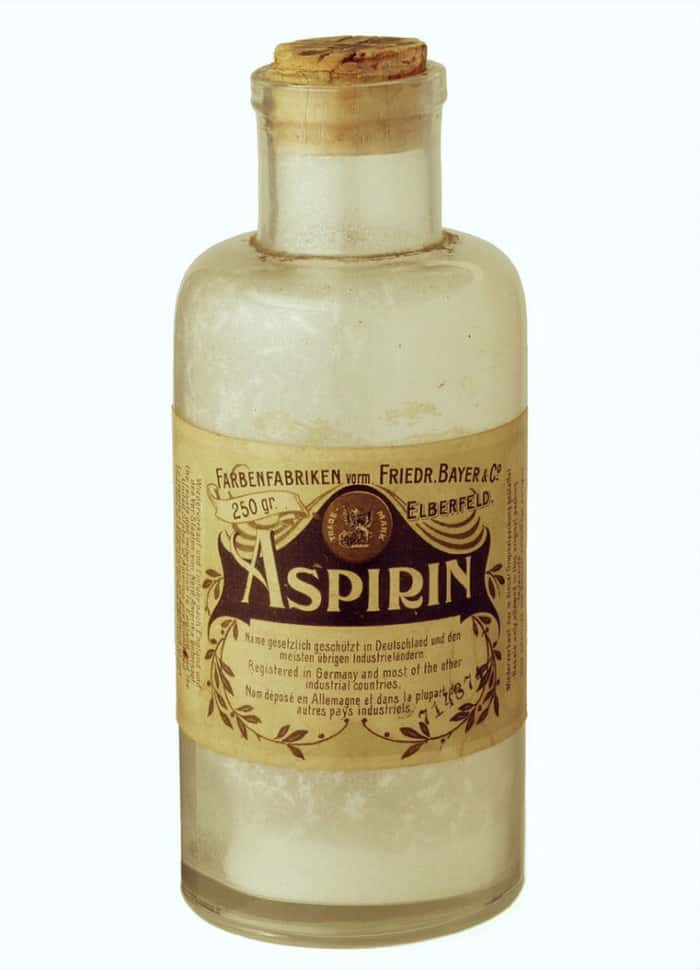
Few medicines have shaped the course of healthcare quite like Aspirin. On March 6, 1899, Bayer, the German pharmaceutical giant, patented acetylsalicylic acid—better known by its trademark name, Aspirin. That single patent kicked off the remarkable journey of one of the most widely used drugs in human history, forever altering how we think about pain relief and modern medicine.
Long before anyone in a lab coat got involved, nature had already provided a remedy. Willow bark, rich in a compound called salicin, had been prized for its healing properties for centuries. Both the Ancient Egyptians and Hippocrates endorsed it as a treatment for pain and fever. Fast forward to 1763, when the Royal Society published research demonstrating willow bark's fever-reducing power. Then, in 1828, scientists managed to isolate salicin directly from the bark—a critical step that opened the door to developing salicylic acid, among the earliest compounds ever used to treat pain.
There was just one problem: salicylic acid wreaked havoc on the stomach, causing serious irritation. Researchers became determined to preserve the drug's therapeutic benefits while taming its harsh side effects—a challenge that drove relentless experimentation. The breakthrough finally came in 1897, when Felix Hoffmann, a Bayer chemist, successfully synthesized acetylsalicylic acid, a gentler reformulation of salicylic acid that was far kinder to the digestive system. Though Hoffmann frequently receives sole credit for this achievement, it's important to note that his colleague Arthur Eichengrün was instrumental in guiding the research—a reminder that scientific progress is almost always a team effort.
Bayer wasn't immediately sold on the compound, and early reactions included a fair amount of skepticism. Still, the company ultimately saw its promise. On March 6, 1899, Bayer patented Aspirin and gave it the now-legendary brand name we all recognize. Tablets hit the market by 1900, transforming the way people managed pain. Aspirin's popularity soared, and by the 1950s, it had claimed the title of best-selling painkiller on the planet. Its medical story didn't stop there—in 1974, researchers uncovered its ability to lower the risk of heart attacks, cementing its place in cardiovascular medicine. On top of that, studies have since suggested that Aspirin may also help prevent certain types of cancer.
Bayer's grip on the drug, however, proved temporary. When the patent expired in 1917, competitors wasted no time producing generic alternatives. Making matters worse for Bayer, World War I trade disputes cost the company its exclusive rights to the Aspirin name in the United States.
More than a century after that pivotal patent, aspirin stands as one of the world's most consumed medications, with billions of tablets taken every year. From easing everyday aches to protecting heart health, its medical contributions remain unmatched. What started as a modest chemical tweak inside a German laboratory blossomed into a global healthcare staple that continues to improve lives. And Bayer? The company currently plays a significant role in the pharmaceutical industry.