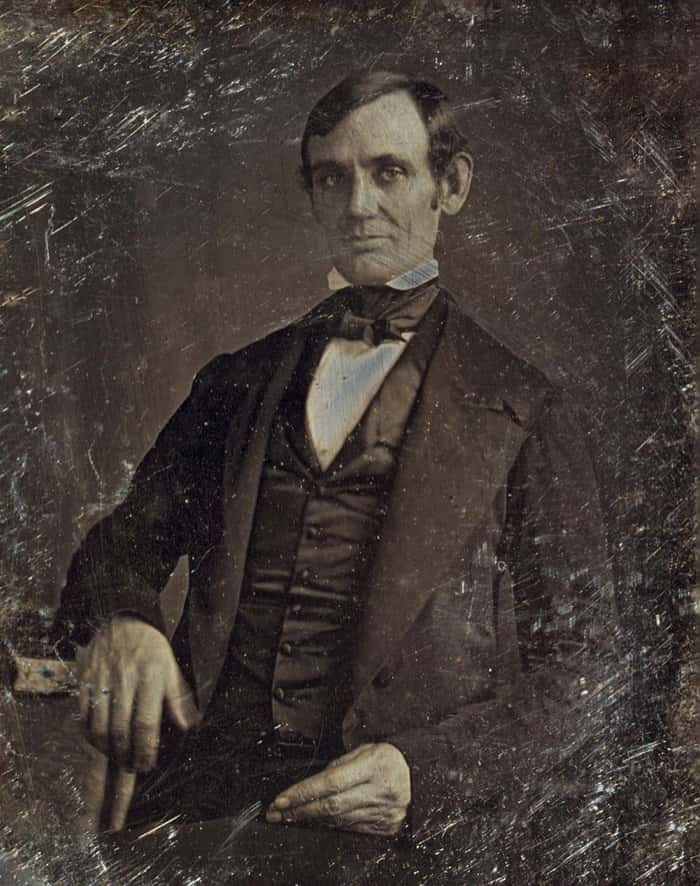
When Abraham Lincoln took the presidential oath on March 4, 1861, the United States stood at a crossroads that would reshape the nation forever. Stepping into office as the 16th president, Lincoln faced a country teetering on the edge of collapse. His victory at the polls had already driven seven Southern states to secede, their leaders convinced that his presidency posed a direct threat to the institution of slavery. The atmosphere was charged with danger — assassination threats hung in the air, political turmoil was escalating, and extraordinary security precautions had to be put in place.
The ceremony itself unfolded against a backdrop of deep irony and palpable unease. Extensive security arrangements were enacted to guard against both assassination attempts and outright rebellion. Along Lincoln's route to the Capitol, sharpshooters stood watch and cannons were positioned at the ready. Adding a layer of historical tension, it was Chief Justice Roger B. Taney — the very man behind the infamous Dred Scott decision — who administered the oath of office. Through it all, Lincoln maintained his composure, stepping forward to deliver a message that was deliberately conciliatory while firmly articulating his opposition to slavery's expansion.
Standing on the East Front of the Capitol, Lincoln spoke with a blend of resolve and an outstretched hand of reconciliation. Rather than issuing demands for immediate military mobilization, he directed his words to the breakaway states, assuring them he harbored no plans to eliminate slavery in places where it was already established. At the same time, he made his commitment to preserving the Union unmistakably clear: "The Government will not assail you. You can have no conflict without being yourselves the aggressors." Throughout the address, he made the case that the bonds holding the Union together were both enduring and legally binding. Drawing on a shared national heritage, he upheld the authority of the Constitution and declared in no uncertain terms that secession was both illegitimate and unlawful.
That day, Lincoln's words radiated an unwavering devotion to keeping the nation whole — resolute in conviction yet threaded with hope. Although his passionate pleas for peace would eventually be drowned out by the roar of the Civil War, his leadership through that devastating conflict and his steadfast commitment to American ideals would elevate him to stand among the greatest presidents the nation has ever known.