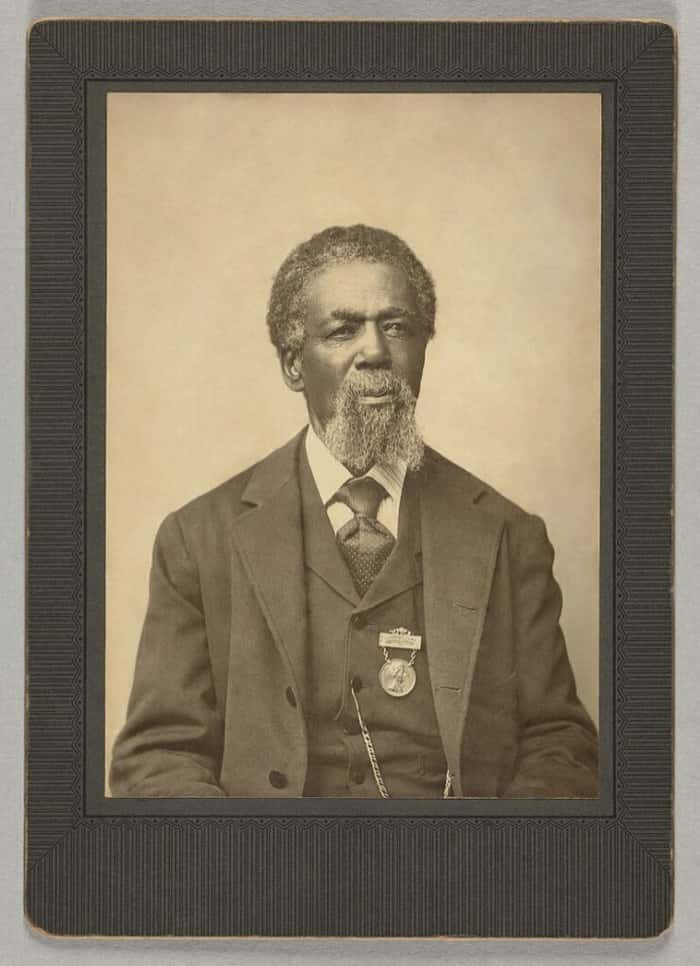
On March 31, 1870 — just one day after the adoption of the 15th Amendment — Thomas Mundy Peterson stepped into the pages of history. He became the first African American to cast a ballot in a US election, an act that would stand as a pivotal moment in the long fight for equality among Black Americans.
For most of his life, Thomas Mundy Peterson called Perth Amboy home, earning his living as a community worker who took on cleaning and handyman jobs. The groundwork for his historic vote had been laid only weeks before, when the 15th Amendment was ratified on February 3, 1870. This amendment declared that neither the federal nor state governments could deny a person the right to vote based on "race, color or past condition of slavery." It represented a major milestone in the broader reconstruction effort — the post-Civil War period dedicated to rebuilding the South and securing civilian rights for formerly enslaved people. Yet the reality on the ground was uneven, with substantial differences in how the amendment was implemented across various states and communities. It was against this backdrop of resistance and uncertainty that Thomas Mundy Peterson chose to exercise his right, acting not only on his own behalf but for the generations that would follow.
What might seem like a simple act carried enormous weight — Peterson's vote helped affirm equal voting rights for Black people. His ballot embodied the promise of democracy, the tenacity of African Americans, and the hopeful vision of Reconstruction. It breathed life into the possibility of true equality in a nation still grappling with the horrors of slavery. Though it was a small step for one man, it was a giant leap for civil rights. Peterson's courageous act remains a potent reminder of how political engagement can shape the course of history and of the enduring struggle for civil rights that continues to resonate.